REVIEW · WINE TOURS
Greek Cuisine Cooking Class in Santorini with Recipes and Wine
Book on Viator →Operated by Santorini Cooking Classes · Bookable on Viator
The best part is learning Greek cooking with zero snobbery. In Santorini’s village of Megalochori, you cook classic dishes in a small group, get full recipes in PDF, and finish with lunch (or dinner) plus Greek wine. It’s hands-on, teacher-led, and very “real meal” rather than a demo you barely touch.
I love that the menu is practical and specific—tzatziki, Greek salad, tomato fritters, and pasticio (with a vegetarian option). And I like how the class is designed for different skill levels since everyone gets a turn. One thing to consider: some parts may feel more like shared cooking stations than you doing every step of every dish, depending on timing and group flow.
In This Review
- Key Things I’d Watch For
- Megalochori Is the Right Setting for a Real Greek Meal
- The Menu: What You’ll Cook (and Why It’s a Smart Mix)
- The Chef Experience: Working With Christos in English
- Hands-On Cooking Time: How Participation Actually Feels
- The Meal Part: Eating Your Work With Greek Wine
- Recipes in PDF: What You’ll Be Able to Make Again
- Price and Value: What $145.12 Buys You in Santorini Time
- Who This Class Is Best For (and Who Might Want Something Different)
- Should You Book Greek Cuisine Cooking in Santorini?
- FAQ
- FAQ
- What dishes are included in the class?
- Is this a hands-on cooking class?
- Does the class include wine and a meal?
- Are gluten-free or vegetarian options available?
- How long is the experience?
- What’s the cancellation policy?
Key Things I’d Watch For
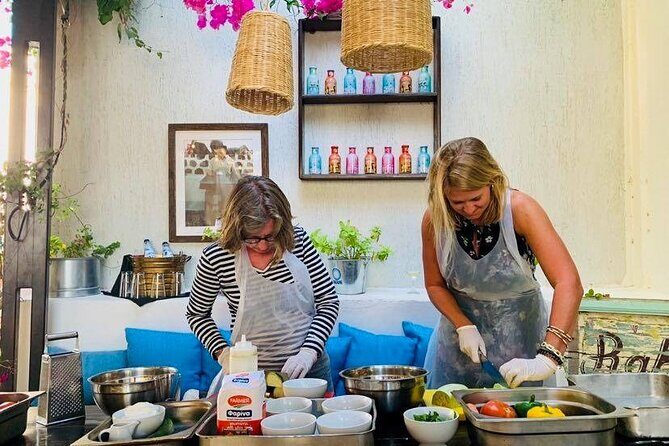
- Small group size (max 15) means you’re more likely to participate than in a huge factory-style class.
- Chef Christos runs the show in English and keeps the pace moving while explaining techniques.
- You eat what you cook, served as a meal with island wine—no waiting around for food to arrive.
- PDF recipes are included, helpful if you want to recreate the dishes at home.
- Dietary options exist: gluten-free and vegetarian adjustments are available.
- Kitchen setup may be basic, so don’t expect a high-end restaurant lab with lots of individual burners.
Megalochori Is the Right Setting for a Real Greek Meal
This class takes place in Santorini’s village of Megalochori, not on a cruise-ship postcard shortcut. The meeting point is at Feggera, Megalochori 847 00, Greece, and the start time is 11:00 am. You’ll make your own way there, and there’s no mention of an air-conditioned vehicle—so plan for the day’s temperature and bring water when you head out.
Megalochori matters because it keeps the experience grounded. You’re eating and cooking within a local setting, which makes the food feel more like something you could actually do at home—rather than a staged performance.
The group stays small (up to 15), and that changes the tone. You’ll be able to talk, ask questions, and get involved without feeling invisible. If you’re traveling with family or you’ve got mixed cooking confidence in your group, this format is a good match.
You can also read our reviews of more cooking classes in Santorini


The Menu: What You’ll Cook (and Why It’s a Smart Mix)
The sample menu is built around Greek comfort-food foundations, the kind you can recreate without special equipment. Expect a setup focused on flavor balance and technique, not fancy plating.
Here’s what’s on the menu for the class:
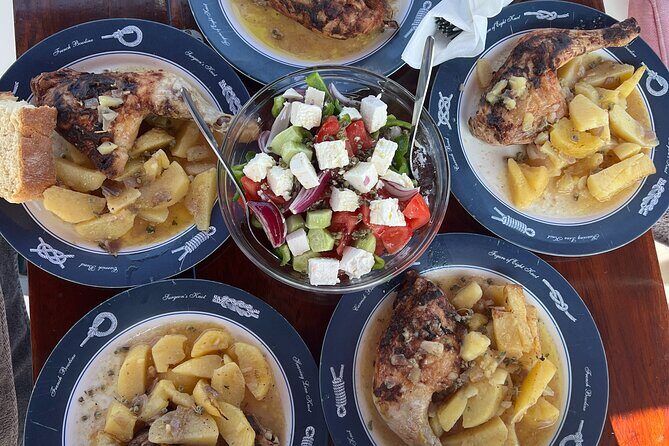
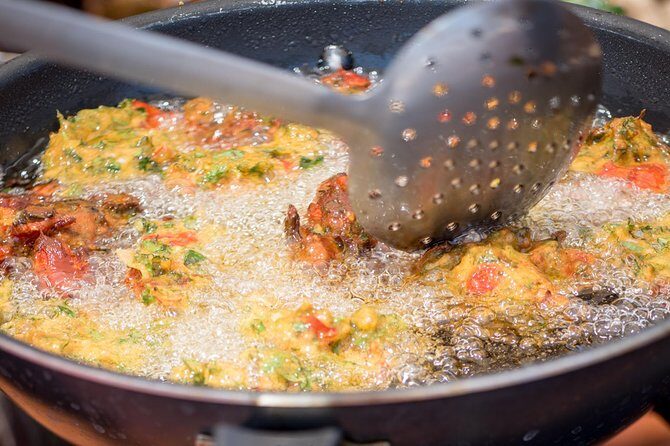
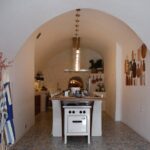
- Starters: tzatziki, Greek salad, and tomato fritters
- Main: Greek pasticio (with a vegetarian version available)
Why this menu is worth your time:
- Tzatziki teaches texture and freshness. You’re not just making something creamy—you’re learning what makes it taste bright instead of heavy.
- Greek salad is quick to assemble, but the class approach usually clarifies how to treat ingredients so they taste like they belong together (and not like a sad bowl of chopped vegetables).
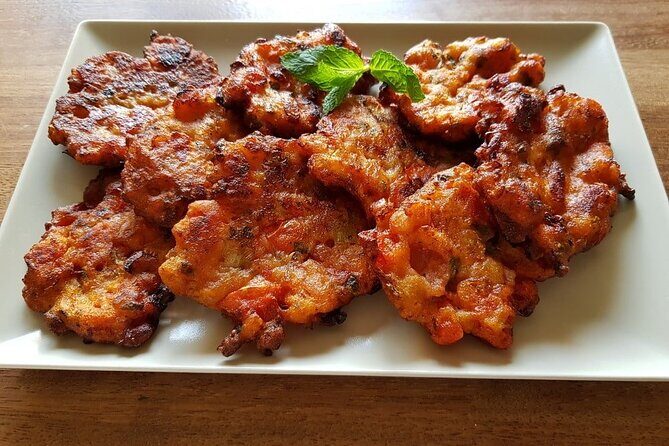
- Tomato fritters are where you learn a technique. Fried or pan-finished, they’re about getting the outside right without making the inside watery or bland.
- Pasticio is the big ticket. It’s baked, comforting, and it gives you a full-dish skill you can repeat later—especially since there’s a vegetarian path.
You’ll be taking turns making these dishes, so you’re not stuck watching the chef the whole time. Still, it’s not described as every participant doing every step of every dish. Think of it as shared kitchen time where you’ll do meaningful work, just not total control over every component.
The Chef Experience: Working With Christos in English
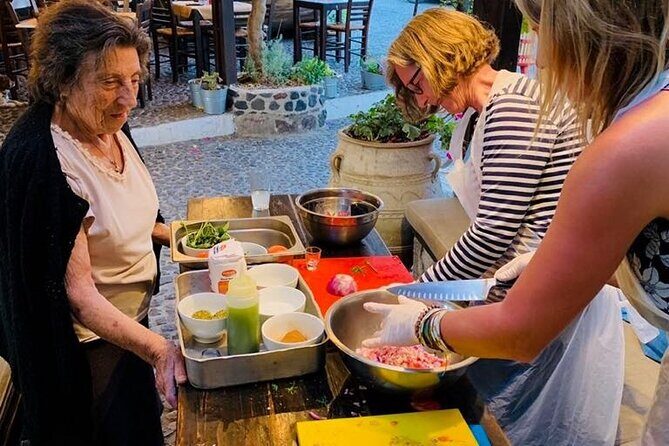
Chef Christos is the star here, and the overall vibe is lively but instruction-driven. The class is offered in English, which helps a lot if your cooking vocabulary is limited. You don’t need to know Greek food terms to benefit—you just need willingness to follow steps and ask when you’re unsure.
A key thing I like about this style of teaching is that it’s not just what to do. It’s also the why. That’s what turns a recipe card into usable skills.
One possible consideration: cooking classes can vary in how much the chef can coach each station at the same time, especially with a group up to 15. If you’re very sensitive to being fully focused on by the instructor, you might find your experience depends on timing and who’s at each station. Some people report very inclusive pacing; others say participation can be more limited during certain moments.
Bottom line: expect an energetic teacher. You’ll likely laugh, you’ll likely be corrected kindly or firmly if something’s off, and you’ll learn at least a few techniques you can carry home.
Hands-On Cooking Time: How Participation Actually Feels
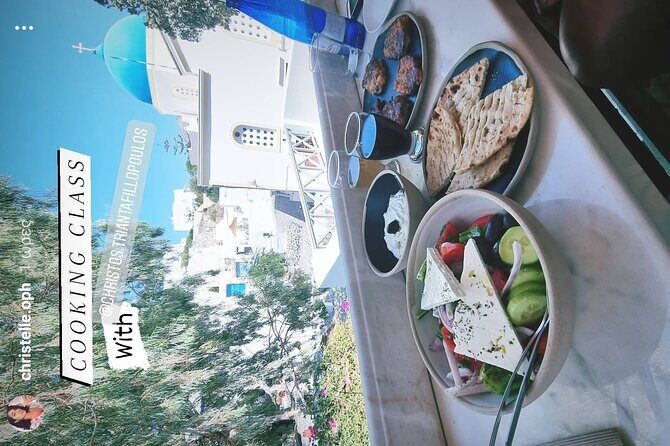
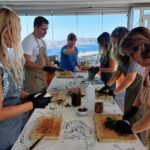
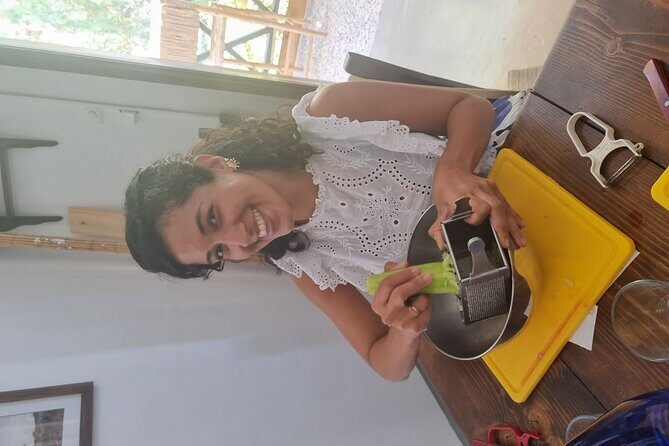
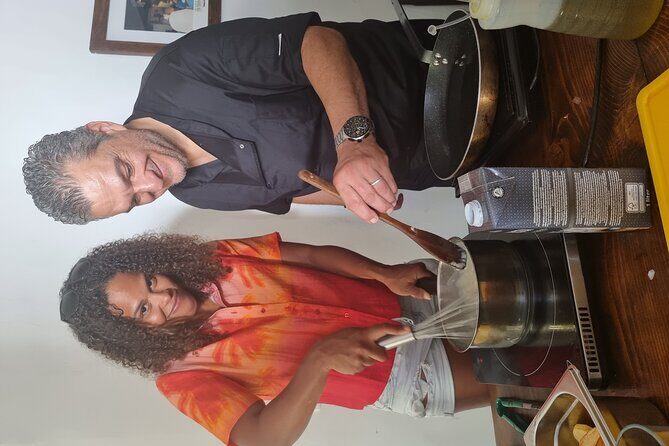
On paper, this is a hands-on cooking class: you get utensils, roll up your sleeves, and members of the group take turns preparing dishes. In real life, that usually translates to a rotation of chopping, mixing, assembling, and occasionally assisting with cooking steps while the chef manages key parts of timing.
If you’re the type who loves being in charge of everything, plan your expectations. This kind of class tends to work best for people who are happy to:
- work on one dish area at a time,
- learn techniques through doing (not just watching),
- and contribute to the final meal.
Some feedback highlights that not everyone does the same level of cooking on every dish—some people end up doing more prep like cutting or mixing for certain parts. There are also reports that the cooking surfaces can be more basic than a dedicated restaurant kitchen, which can affect visibility and how much you feel like you’re driving the process.
Still, the overall rating is extremely high, and many notes mention that the chef involves everyone. So if your goal is to learn Greek cooking basics in a fun, shared setting, this fits well.
The Meal Part: Eating Your Work With Greek Wine
Once the dishes are done, you sit down together and eat the results with a glass of Greek wine. This is not a separate afterthought. The meal is built into the class flow, which keeps things relaxed. You’re not spending extra time finding a restaurant after cooking.
Also, you should come hungry. Reviews and the class design both point to a lot of food across starters and main. One reason cooking classes work as travel experiences is that you connect with local food culture in a direct way—here, the wine and the meal make that connection feel complete.
If you’re planning your day around this, treat it like a real lunch or dinner anchor. It can easily replace a dining plan.
You can also read our reviews of more wine tours in Santorini




Recipes in PDF: What You’ll Be Able to Make Again
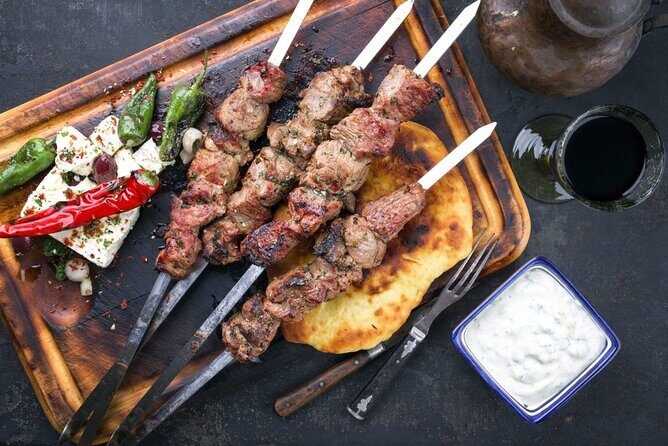
This experience includes full recipes in PDF, plus bottled water. That recipe pack is one of the best “value multipliers” of any cooking class because it turns your memory into something you can repeat.
Based on the way people describe the class, you’re not only getting ingredient lists. You’re also getting technique-focused guidance—especially for dishes like tzatziki and pasticio where small choices affect outcome.
Practical tip: don’t wait until you’re home and overwhelmed. Save the PDFs and skim them the same evening or next morning. You’ll remember the smell of the sauce and the texture you were aiming for, which makes the recipe feel clearer when you cook later.
Price and Value: What $145.12 Buys You in Santorini Time
At $145.12 per person for about 3 hours 30 minutes, you’re paying for more than ingredients. You’re buying:
- a small-group chef-led class (max 15),
- hands-on cooking time with a guided menu,
- lunch (or dinner) with wine,
- and full PDF recipes.
That’s a fair setup for Santorini, where eating out can be pricey and cooking experiences are often more expensive than you expect. The best value here comes from leaving with both a meal and repeatable know-how. If you just wanted food, you could eat Greek dishes elsewhere. But if you want the method behind tzatziki, fritters, and pasticio, this price starts to make sense fast.
If you’re on a tight budget, weigh the “learning plus meal plus wine” package against what you’d spend on a solid dinner plus a cookbook or online recipe. This class is usually worth it when you want a guided start rather than solo trial-and-error.
Who This Class Is Best For (and Who Might Want Something Different)
This works for:
- Beginner cooks who want structure and clear steps
- Experienced cooks who want technique reminders and a Greek-focused recipe pack
- Families and mixed-age groups, since the format supports participation by different people
- Anyone who wants a Santorini activity that ends with you eating what you made, not just photographing it
It may be less ideal if:
- you want a private, high-touch coaching session with you doing every single step
- you expect a full commercial kitchen layout and a view of every pan from your seat
If you fall into the middle—happy with shared kitchen time, excited to learn a few techniques, and ready to eat your way through Greek comfort food—this is a strong choice.
Should You Book Greek Cuisine Cooking in Santorini?
I’d book it if your priority is a fun, chef-led meal experience with real dishes you can recreate. The combination of tzatziki, Greek salad, tomato fritters, and pasticio, the small group size, and the fact that you get PDF recipes makes it a practical souvenir—one you can cook.
I would hesitate only if you’re the type who needs every moment to be hands-on and deeply coached, or if you’re traveling during a time when getting to Megalochori feels inconvenient. The class is centered on shared participation and guidance, so go in with that mindset.
FAQ
FAQ
What dishes are included in the class?
You’ll cook a starter menu that includes tzatziki, Greek salad, and tomato fritters, then prepare a main of Greek pasticio with a vegetarian version available. After cooking, you’ll eat the dishes you made.
Is this a hands-on cooking class?
Yes. It’s a hands-on cooking class where group members take turns preparing the dishes. The pace and how much each person cooks versus assists can vary by station and timing.
Does the class include wine and a meal?
Yes. The class includes lunch or dinner featuring the dishes you prepare, plus a glass of Greek wine. Bottled water is also included.
Are gluten-free or vegetarian options available?
Yes. The class notes gluten-free and vegetarian options available, including a vegetarian version of pasticio.
How long is the experience?
The duration is about 3 hours 30 minutes. It starts at 11:00 am at the Megalochori meeting point.
What’s the cancellation policy?
You can cancel for a full refund up to 24 hours in advance of the experience start time. If you cancel less than 24 hours before the start time, the amount paid is not refunded.