REVIEW · WINE TOURS
Santorini Family Farm Food & Wine Tour with Cooking Class
Book on Viator →Operated by Argyros Travel · Bookable on Viator
Farm-to-table Santorini beats the cruise crowds. In about 4.5 hours, you cook with vegetables grown on site and then taste four Santorini wines from local wineries. The main catch: the menu leans heavily on tomatoes, so think ahead if you have allergies or strong preferences.
You also get a real village walk in Megalochori, including the famous kadounia stone pathways. With a maximum of 12 travelers, it feels more like a family afternoon than a bus stop. If you hate minivan rides between spots, this tour has a few transfers, but they keep the flow moving.
In This Review
- Key Points You’ll Actually Care About
- Santorini Farm-to-Table in 4.5 Hours: The Big Picture
- From Megalochori’s Kadounia to the Village Vibe
- Winery Stops and Four Glasses: What You Taste and Why
- The Cave Farm Cooking Class: Hands-On, Garden-First
- Cooking What You Eat: The Full Menu on a Santorini Farm Table
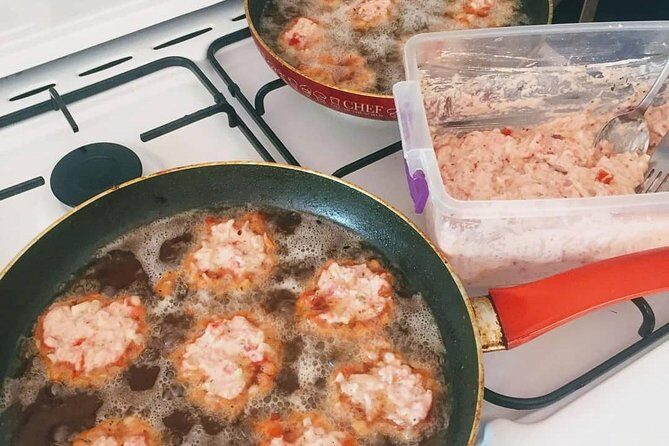
- Tomato Fritters (Domatokeftedes)
- Greek Salad with Farm Ingredients
- Fava: Santorini’s Yellow Split Pea Purée
- Fried White Eggplant & Zucchini
- Dessert: Greek Yogurt with Homemade Cherry Tomato Marmalade
- The Tomato Factor
- Group Size, Pickup, and Transfers: How the Day Feels
- Price and Value: Is $145.12 a Fair Deal?
- Who This Tour Suits Best (and Who Might Be Happier Elsewhere)
- Should You Book This Santorini Family Farm Food and Wine Tour?
- FAQ
- How long is the Santorini Family Farm Food and Wine Tour?
- What does the tour cost per person?
- How many people are on the tour?
- Does the tour include hotel pickup?
- Where is the meeting point?
- Is wine tasting included, and how many glasses do you get?
- What dishes are included in the experience?
- Is there a lot of tomato in the menu?
- What if the weather is bad?
- Can children join the tour?
Key Points You’ll Actually Care About
- Fresh garden-first cooking in a traditional cave farm setup
- Four wine samples from Santorini varietals at two winery stops
- Megalochori kadounia: narrow stone pathways through a maze-like village area
- Small group size (max 12) for hands-on cooking and easier conversation
- Tomato-forward menu, from domatokeftedes to cherry-tomato marmalade
Santorini Farm-to-Table in 4.5 Hours: The Big Picture
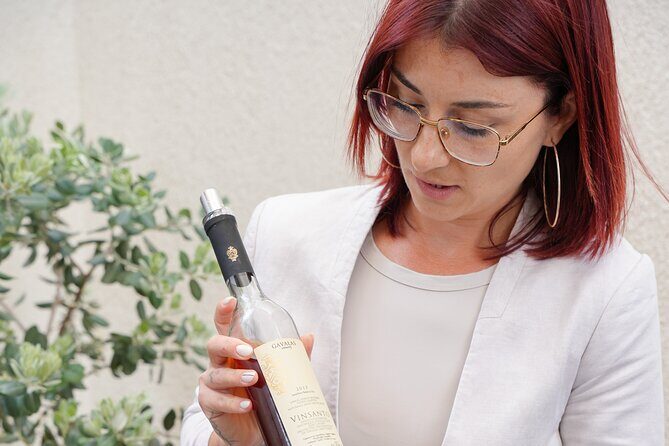
This tour is built for people who feel tired of Santorini where the whole day is views and lines. Here, you’re working with food first: picking up ingredients from the farm garden, cooking them in a shared class, and eating what you made. Then the day moves into wine, with tastings that connect Santorini’s volcanic soil to the island grapes.
You’re also getting something practical: context. The guide explains how the farming and wine traditions fit into everyday island life. That turns a plate of fava or a sip of white wine into something you can actually picture, not just something you eat.
The format is a tight loop: village walk, winery tastings, farm cooking, meal. It’s fast enough to fit into a busy trip, but long enough that you don’t feel like you got skimmed.
You can also read our reviews of more food & drink experiences in Santorini


From Megalochori’s Kadounia to the Village Vibe
The day starts with Megalochori, a village that feels calmer than the postcard centers. The highlight is a guided walk through the kadounia, those narrow stone pathways that form a maze you can actually get lost in on purpose. It’s one of those small-scale sights that makes Santorini feel human-sized.
This stop matters because it shifts you from cliffs and caldera photos into the everyday geography of the island. You’ll notice how the streets follow the terrain, and how village life is arranged around stone lanes and hidden corners.
A small caution: stone pathways are charming, but they’re also uneven. Even though there’s no formal instruction here beyond dressing appropriately, I’d still plan on closed shoes and something grippy. Think walking comfort over fashion.
Winery Stops and Four Glasses: What You Taste and Why
After Megalochori, you head to the winery side of Santorini. The tour includes tastings at two different wineries, and you’ll sample four glasses total. That’s a smart amount. You get variety without turning the afternoon into a wine marathon.
The tasting isn’t just pour-and-go. You’re taught about Santorini’s volcanic terroir and indigenous grape varieties, so each glass connects to a reason. In plain terms: you’re tasting place, not just flavor.
What I like about this setup is balance. Some wine tours focus only on vineyards and skip food and farming. This one ties wine back to the island’s agricultural rhythms—especially helpful if you’re trying to understand why Santorini wine tastes the way it does.
The Cave Farm Cooking Class: Hands-On, Garden-First
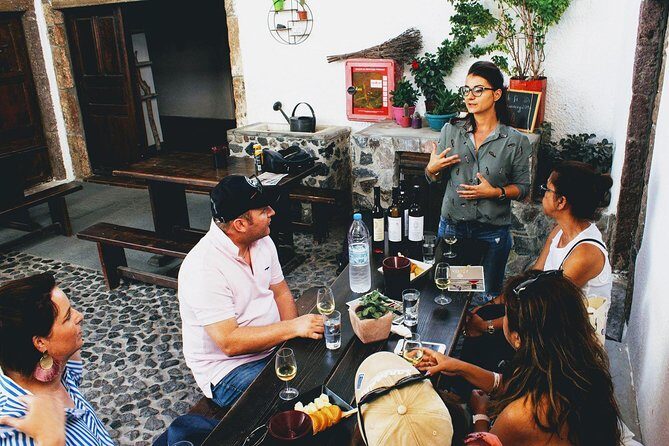
The center of the day is the cooking class at a traditional cave farm. This is where the tour earns its name. You’re not just watching a chef plate things. You’re participating, learning local techniques, and using fresh, seasonal vegetables grown directly in the garden.
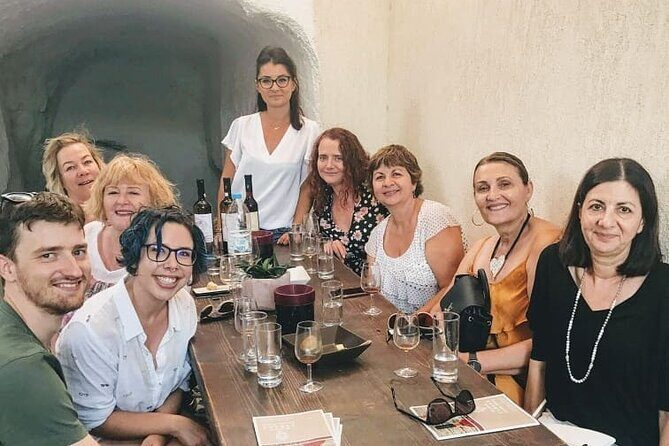
Expect a real farm feeling: a rustic setting, an outdoor meal space, and time to talk about Santorinian traditions and daily life. Several people described feeling welcomed and treated like part of the group, with the host taking plenty of time to explain both ingredients and routines.
One useful detail from past experiences: you may get the chance to pick tomatoes from the field or at least see how the ingredients are gathered before cooking. That turns the meal from performance into process.
If you’re traveling with kids, this stop can work well. The class format is interactive, and people noted the guide connecting with children while still keeping the cooking moving.
Cooking What You Eat: The Full Menu on a Santorini Farm Table
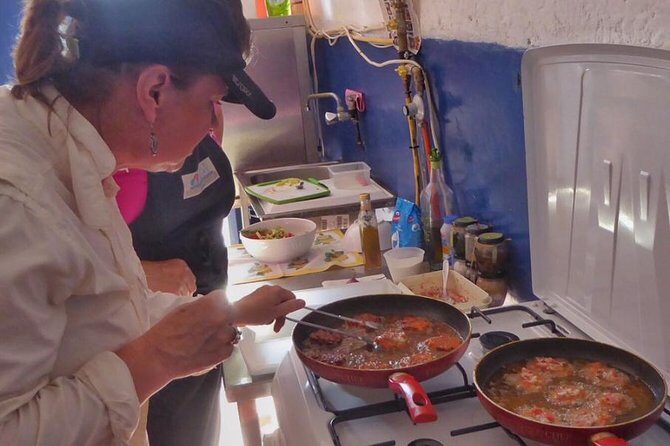
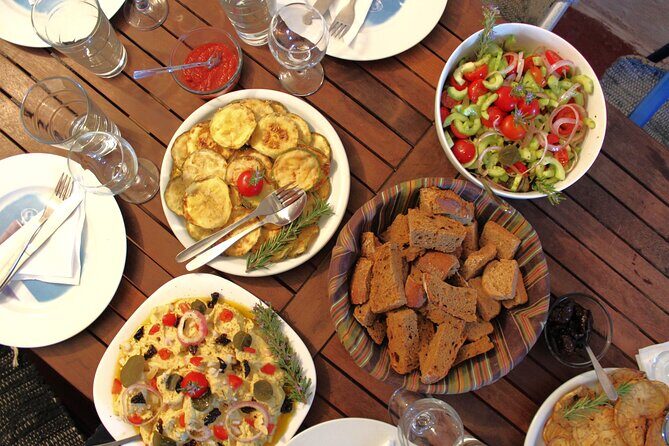
The meal plan is traditional, and it’s built around what the farm grows. Here’s what you’ll cook and eat, in the order you’ll taste it.
You can also read our reviews of more tours and experiences in Santorini



Tomato Fritters (Domatokeftedes)
These start the meal. Domatokeftedes are Santorini tomato balls, made with fresh ingredients gathered from the garden. Even if you think tomatoes aren’t your thing, this is one of those moments where cooking changes the flavor and texture. The point isn’t fancy technique—it’s how island cooks make use of what’s abundant.
Greek Salad with Farm Ingredients
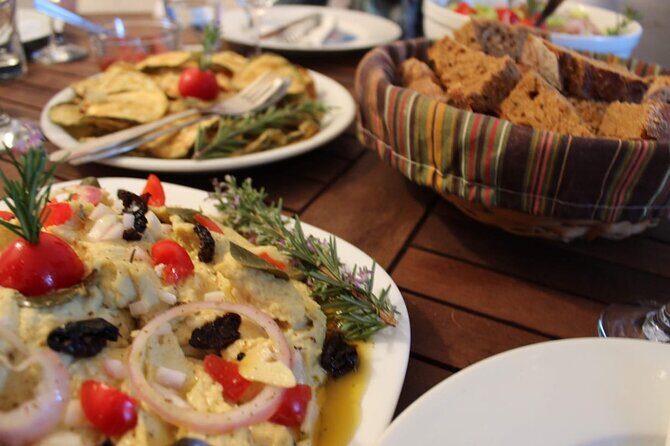
You’ll build a Greek salad using cherry tomatoes, cucumbers, onions, feta, handpicked capers, extra virgin olive oil, and local olives. It’s a classic, but the farm sourcing is what makes it feel different. This is the course that reminds you why simple food wins.
Fava: Santorini’s Yellow Split Pea Purée
Then comes fava, Santorini yellow split pea purée, similar in texture to hummus. The recipe leans on what’s grown locally, so the flavor is tied to the fields. If you’ve never had it, it’s creamy and savory, and it’s a great example of how island agriculture shapes cuisine.
Fried White Eggplant & Zucchini
You’ll finish the main courses with lightly fried, sliced seasonal vegetables prepared the traditional way. This is where the farm-to-kitchen connection becomes very real. The vegetables aren’t just an add-on—they’re the meal.
Dessert: Greek Yogurt with Homemade Cherry Tomato Marmalade
The dessert is a twist that still feels logical: Greek yogurt topped with homemade marmalade made from cherry tomatoes of Santorini. It’s sweet with a little tang, and it’s a fun way to end an eating-focused tour.
The Tomato Factor
Here’s the most important practical note: this menu is tomato-heavy. You’ve got tomato fritters, tomato salad components, and tomato-based marmalade. If tomatoes are a trigger for you, plan around it before booking. You might want to ask the tour provider what flexibility exists for substitutions, especially if allergies are involved.
Group Size, Pickup, and Transfers: How the Day Feels
This tour runs with a maximum of 12 travelers, which is why the cooking doesn’t feel chaotic. Smaller groups mean you can actually take part, ask questions, and not spend the whole time waiting for your turn.
You also get hotel pickup and drop-off for selected hotels. If your hotel isn’t on the pickup list, you’re asked to message to set the pickup time and place. If you don’t contact them, they’re not responsible for misunderstandings, so keep an eye on that.
Transportation is via an air-conditioned minivan. Transfers take approximate time, depending on day and traffic. That’s normal on Santorini. Just know the day is designed to move between village, wineries, and farm—so it’s not a stay-put experience.
For navigation, your start point is Stathmos Leoforion in Fira, and the tour ends back at that meeting point.
Price and Value: Is $145.12 a Fair Deal?
At $145.12 per person, you’re paying for three things that usually cost separate money on Santorini:
- Hands-on cooking class (not just tasting)
- Wine tastings totaling four glasses at wineries
- A guided cultural farm and village experience with transport
Add in bottled water, fuel surcharge, and taxes, and the value picture gets clearer. You’re basically combining a food workshop with a wine experience and a village walk, all in one package.
The big value win is the “you eat what you make” part. Many food tours promise local flavor, but you leave without really learning the steps. Here, the cooking is part of the product, and the setting is the point—not just the menu.
The other value win: the group size. A tour under 12 tends to feel more personal, and your guide can actually spend time on questions instead of rushing through a checklist.
Who This Tour Suits Best (and Who Might Be Happier Elsewhere)
This works especially well if you want Santorini through food and agriculture, not only through viewpoints. It’s a strong pick for foodies, wine lovers who appreciate learning context, and travelers who like smaller groups.
You’ll likely enjoy it more if:
- you like hands-on activities (not just sampling)
- you’re curious about farming and how ingredients connect to wine
- you want an experience that feels more local and less crowded
You might want to skip or think twice if:
- tomatoes are a serious allergy concern (the menu is heavy on tomatoes)
- you hate walking on stone lanes or uneven surfaces
- you prefer purely scenic stops with minimal transfers
Should You Book This Santorini Family Farm Food and Wine Tour?
I’d book it if you’re the type of traveler who gets satisfaction from learning how food is made. The combination of a traditional cave farm cooking class, a Megalochori kadounia walk, and four Santorini wine samples hits a rare sweet spot: practical, delicious, and not locked behind a velvet rope.
If you’re choosing between this and another Santorini sightseeing-heavy option, this one gives you something to take home beyond photos—recipes, flavors, and a sense of how the island feeds itself.
If you’re ready for a tomato-forward menu and comfortable shoes, this is a great use of half a day.
FAQ
How long is the Santorini Family Farm Food and Wine Tour?
It’s approximately 4 hours 30 minutes, though transfer times are approximate and can vary with traffic and the time of day.
What does the tour cost per person?
The price is $145.12 per person.
How many people are on the tour?
The group size has a maximum of 12 travelers.
Does the tour include hotel pickup?
Hotel pickup and drop-off are offered for selected hotels. If your hotel isn’t listed, you’re asked to message to arrange pickup details.
Where is the meeting point?
The start is Stathmos Leoforion, Fira 847 00, Greece, and the tour ends back at the meeting point.
Is wine tasting included, and how many glasses do you get?
Yes. You’ll do a wine tasting with four glasses of locally produced exceptional wines of Santorini.
What dishes are included in the experience?
The sample menu includes tomato fritters (domatokeftedes), Greek salad, fava, fried white eggplant and zucchini, and dessert of Greek yogurt with homemade marmalade.
Is there a lot of tomato in the menu?
Yes. Tomatoes show up in the domatokeftedes, the Greek salad ingredients, and in the cherry tomato marmalade used for dessert.
What if the weather is bad?
The tour operates in all weather conditions, but it requires good weather. If it’s canceled due to poor weather, you’ll be offered a different date or a full refund.
Can children join the tour?
Children must be accompanied by an adult.