REVIEW · FARMS
Santorini: Private Agri-Educational Visit to an Organic Farm
Book on GetYourGuide →Operated by Santorganics organic farm · Bookable on GetYourGuide
Herbs, raisins, and a real farm cave.
This Santorini private agri-educational visit takes you through an organic estate shaped by the island’s dry conditions, starting with black currant vineyard walks and ending with a tasting of LIQUEUR RAISIN plus herb flavors you can’t get in town. I also like that you’re not just looking at plants, you’re learning how the farm processes them, including a cave used for natural herb drying.
The one thing to plan for is the walking: it’s a moderate walk on cobblestones and around the farm, and there are no WC/toilets facilities included. If you’re sensitive to uneven ground, this is worth thinking about before you book.
In This Review
- Key Things To Know Before You Go
- Why This Santorini Farm Visit Feels Like a Time Machine
- The Short Walk In: Cobblestones, Scenic Stops, and Farm Energy
- Black Currant Vineyard Walk: What Grows Here and Why
- Inside the Organic Farm Facilities: Artisanal Processes You Can See
- The Cave Stop: Natural Herb Drying, Plain and Practical
- Tasting LIQUEUR RAISIN and Herb-Infused Olive Oil
- Anhydrous Organic Farming: The Island Logic Behind the Menu
- Price and Value for a 2-Hour Private Tour
- Who Should Book This Farm Visit (and Who Might Skip It)
- My Booking Checklist Before You Go
- Should You Book Santorganics Organic Farm?
- FAQ
- How long is the Santorini private organic farm visit?
- Is this tour private?
- What languages is the guide available in?
- What tastings are included?
- Are hotel pickup and drop-off included?
- Are there toilets on site?
- Is it suitable for wheelchair users or limited mobility?
- What should I not do during the tour?
Key Things To Know Before You Go
- Meet the owners: Dimitris and Maria run the place with real passion and you’ll hear how the farm works day to day.
- Black currant first: You’ll stroll the first organic black currant vineyard in Santorini and understand why it matters here.
- Herb-drying cave: A famous cave is part of the production story, showing how herbs are naturally dried.
- Prickly pear products: Expect prickly pear seed oil and a no-sugar prickly pear juice tasting.
- Olive oil with attitude: You’ll taste herb-infused extra virgin olive oil alongside regional bites.
- Private by default: This is a private group experience with a live guide in English and Greek.
Why This Santorini Farm Visit Feels Like a Time Machine
Santorini can be a visual overload: white walls, big views, cruise crowds, and the same souvenirs in every shop. This tour slows you down on purpose. You walk into a working organic estate where the point isn’t Instagram shots. It’s how people survive and craft food on a dry island.
I love that the farm doesn’t pretend it’s something it’s not. There’s no big vegetable garden fantasy here. The climate is too dry, so you focus on what grows well locally: herbs like caper and thyme, prickly pears, and black currants that turn into black raisins and then into the star tasting, LIQUEUR RAISIN.
A second thing I like is that you’re treated like a real guest. When you meet Dimitris and Maria, it adds a human layer to everything. The tour isn’t just facts on a sign. It’s people explaining why they do things the way they do.
One practical note: because this is a farm and not a museum, expect uneven ground and walking. You’ll be on cobblestones for at least part of the route, and you should wear sturdy shoes.
You can also read our reviews of more private tours in Oia



The Short Walk In: Cobblestones, Scenic Stops, and Farm Energy
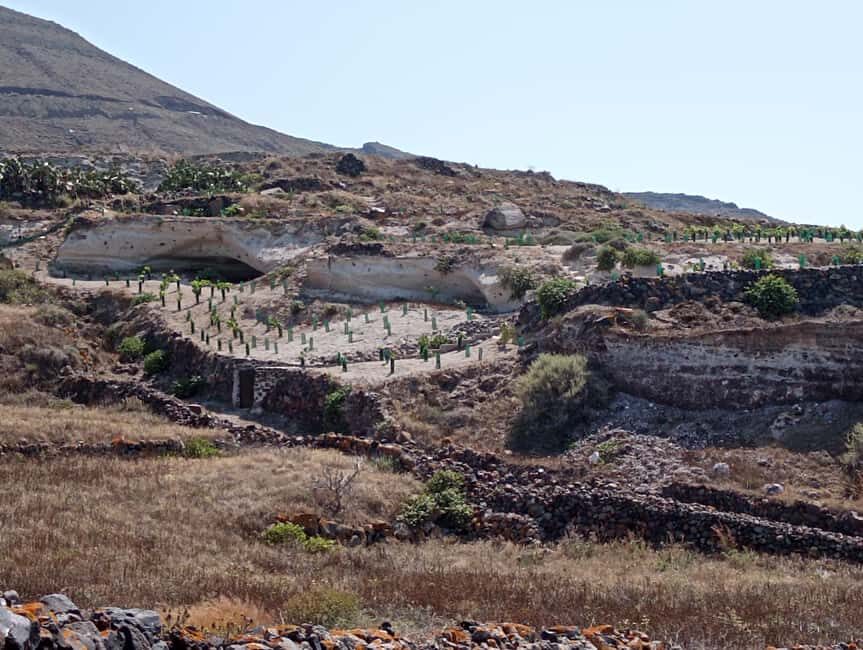
Your experience starts by meeting your guide and then heading to the farm on foot. You hike only a few meters along picturesque cobblestone streets before you reach the estate. That short stretch matters because it helps you feel where you are: Santorini isn’t flat and tidy, and the stone paths are part of the island character.
Along the way, there may be a scenic photo stop, and depending on your start time you might catch sunrise or sunset views. This isn’t a long bus ride that starts and ends the day. It’s more like you step into the farm’s world while the island is still doing its thing.
For your comfort:
- bring a sun hat
- wear comfortable clothes
- plan on closed-toe shoes
- if you need help on uneven ground, a hiking baton is available
This part is also where you’ll get your bearings fast. Your guide sets the tone: what you’ll see, what you’ll taste, and what to pay attention to as the tour moves from plants to processing.
Black Currant Vineyard Walk: What Grows Here and Why
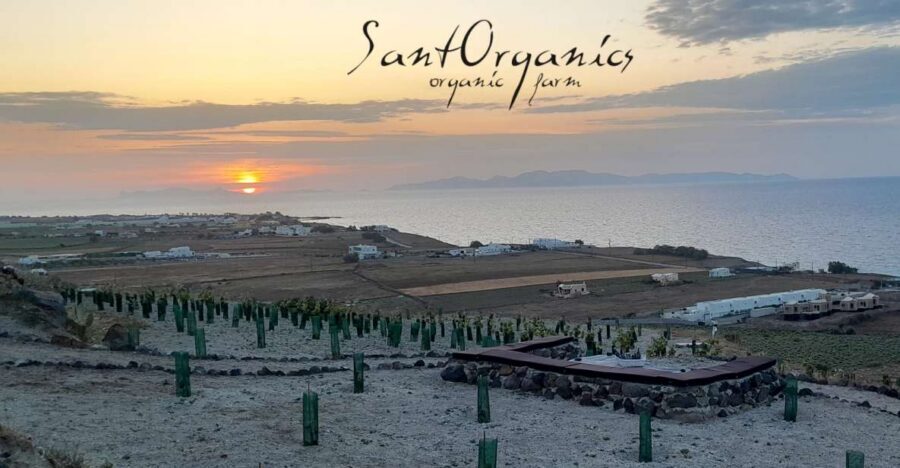
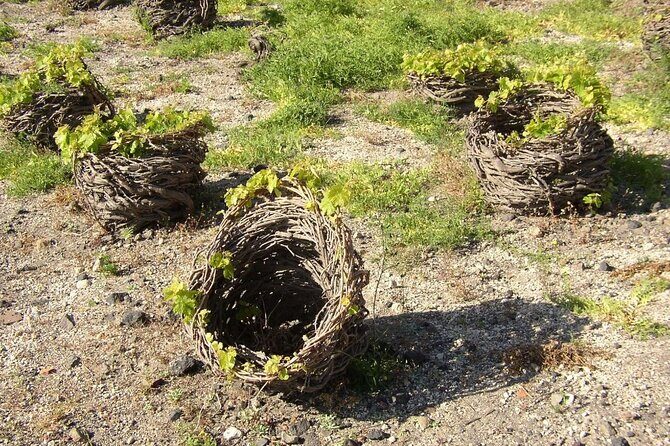
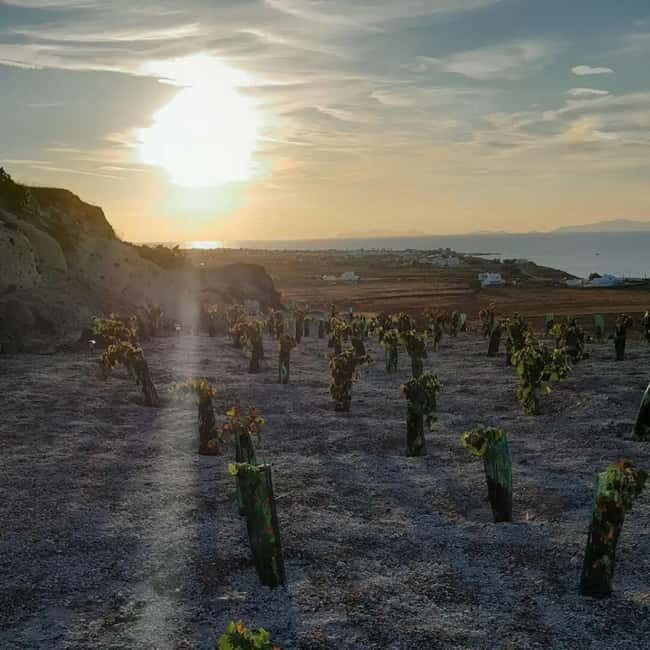
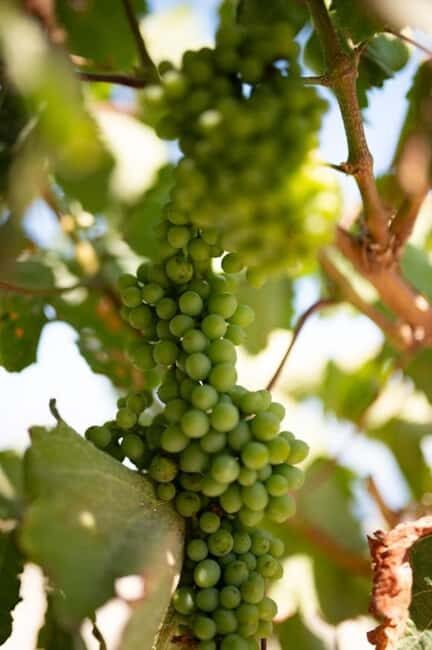
The heart of the visit begins in the black currant vineyard, described as the first organic black currant vineyard in Santorini. This is the kind of crop choice that tells you a lot about the island: black currants thrive here in a way that supports the farm’s whole production chain.
As you walk through the vines, you’re not just being shown plants. You’re learning how the island’s dryness shapes the approach. Black currants are traditionally linked to raisin production, and here that becomes part of the organic story.
What I find useful as a traveler is that the tour gives you a framework. Instead of tasting something and wondering what it is, you learn the steps that turn raw fruit into something shelf-stable and intensely flavored. That’s what makes the final tasting feel earned rather than random.
Your guide also introduces other local varieties of herbs, including caper and thyme. Depending on the season, you might even have the chance to pick some herbs. Even if you don’t pick, you’ll get the sense of what grows where, and you’ll start spotting these plants like you belong there for a day.
Inside the Organic Farm Facilities: Artisanal Processes You Can See
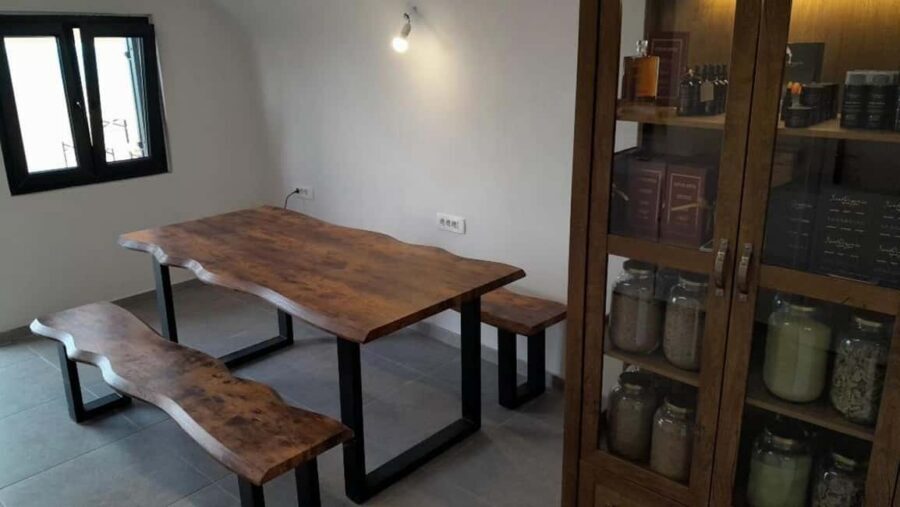
After the vineyard and herb walk, the tour shifts into how the farm works as a production space. You’ll tour the facilities and learn about their artisanal processing methods. The big takeaway is that the farm’s style is practical: it uses traditional steps that fit the environment instead of fighting it.
This is where the “private” part really pays off. In a small group, you can ask specific questions. You can also slow down at moments that interest you: how herbs are handled, how olive oil is treated, why certain products take the form they do.
You also get the best kind of farm context: the connection between raw ingredients and the finished tasting you’ll have later. Many tasting experiences are disconnected from production. Here, you get the production thread all the way through.
And yes, you’re on a farm estate with real farm logic, not a staged show. That’s why this experience works better if you like learning by observation.
The Cave Stop: Natural Herb Drying, Plain and Practical
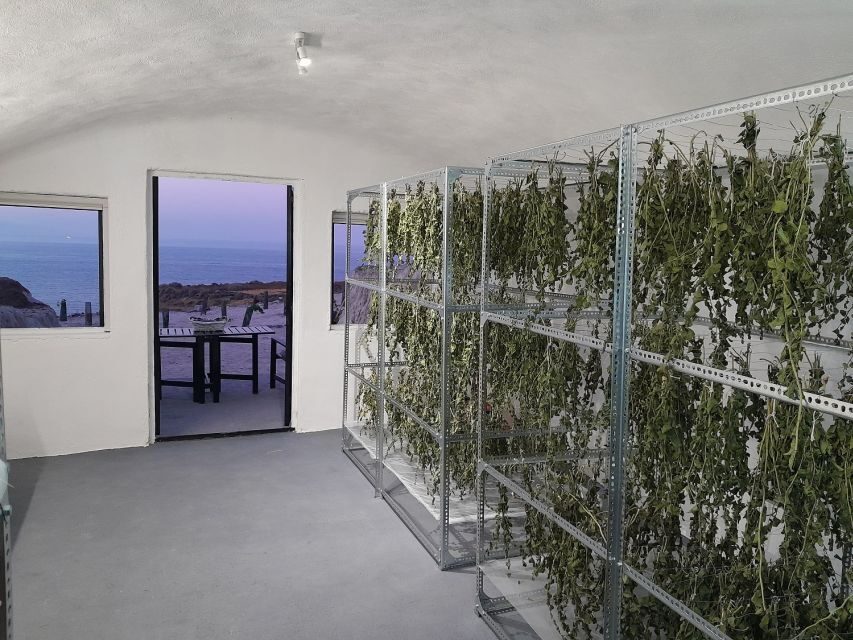
One of the most memorable moments is stepping into a famous cave used traditionally for the natural drying of herbs. This is the kind of detail that turns a farm visit into something you’ll remember a year later.
Why a cave? The tour explains the stages of harvesting and production in the natural herb drying area. You see how the environment supports drying without turning it into a factory job. It’s a reminder that people used to solve food-processing problems with architecture and patience, not electronics.
As you’re moving through this part:
- watch how herbs are handled and staged
- listen for the link between harvesting timing and drying needs
- don’t rush photos—this is more about understanding than framing
If you’re the kind of traveler who loves seeing where flavor comes from, this is your highlight. It’s also a good mental reset from the crowds outside. You’re in a space shaped by everyday work.





Tasting LIQUEUR RAISIN and Herb-Infused Olive Oil
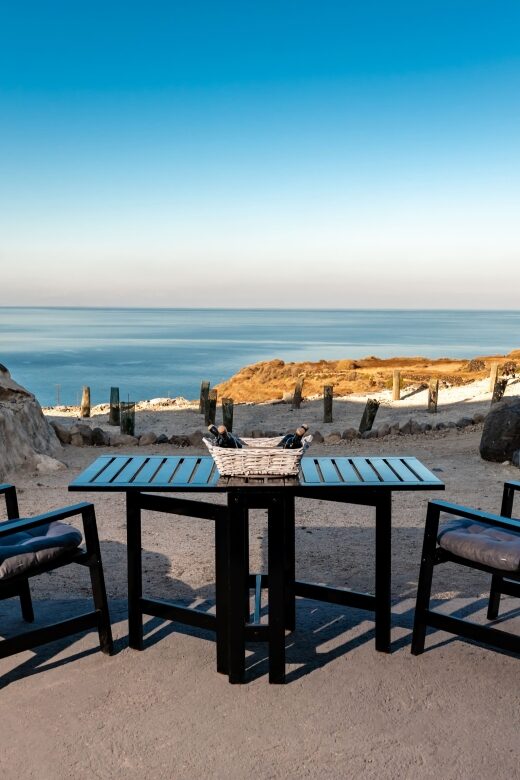
Now for the part your taste buds have been waiting for.
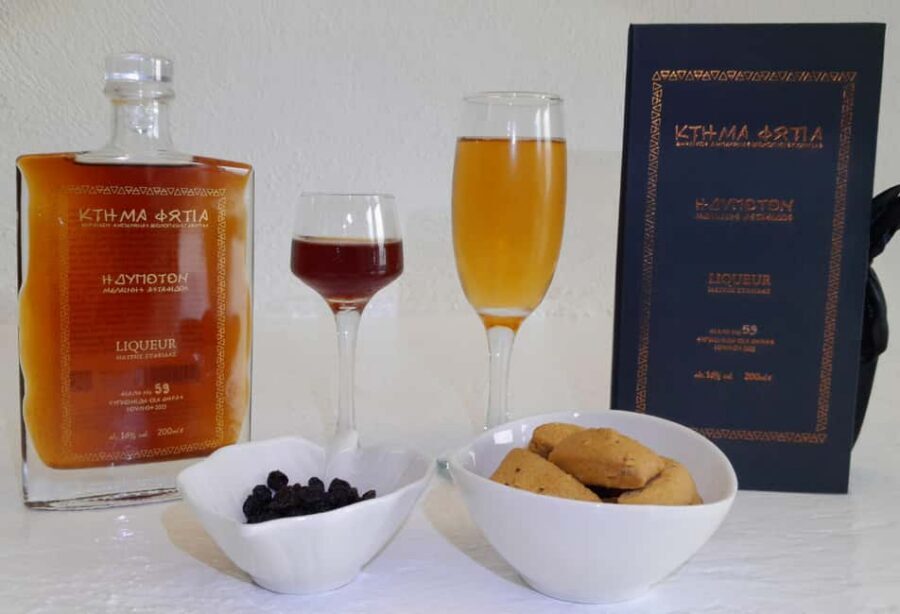
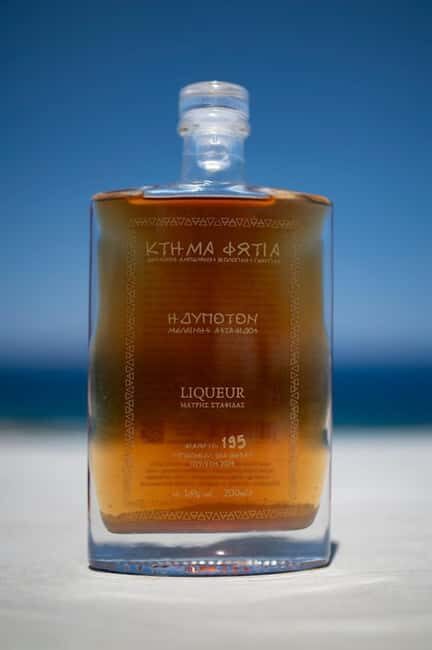
The tour ends with a tasting featuring LIQUEUR RAISIN and infused extra virgin olive oil paired with regional bites. This is not just “try a sample and move on.” It’s a structured tasting that matches what you learned earlier.
Here’s what’s included in the tasting experience:
- LIQUEUR RAISIN tasting
- olive oil tasting, including herb-infused varieties
- organic must cookies
- organic cereals breadstics
- organic no-sugar prickly pear juice
- almond rusks
- an introduction to organic prickly pear seed oil
I like this lineup because it gives you multiple flavor angles:
- sweetness and depth from the black currant/raisin chain (that’s the LIQUEUR RAISIN connection)
- savory aromatics from herb-infused olive oil
- bright, unusual freshness from prickly pear juice
- crunchy textures from breadstics and rusks
Also, since you’re learning the “why” before you taste, you’ll understand what you’re picking up—herb notes, raisin-like depth, and the way different crops behave in processing.
One small practical thought: plan to taste slowly. If you rush through this, you’ll miss the differences your guide is pointing out.
Anhydrous Organic Farming: The Island Logic Behind the Menu
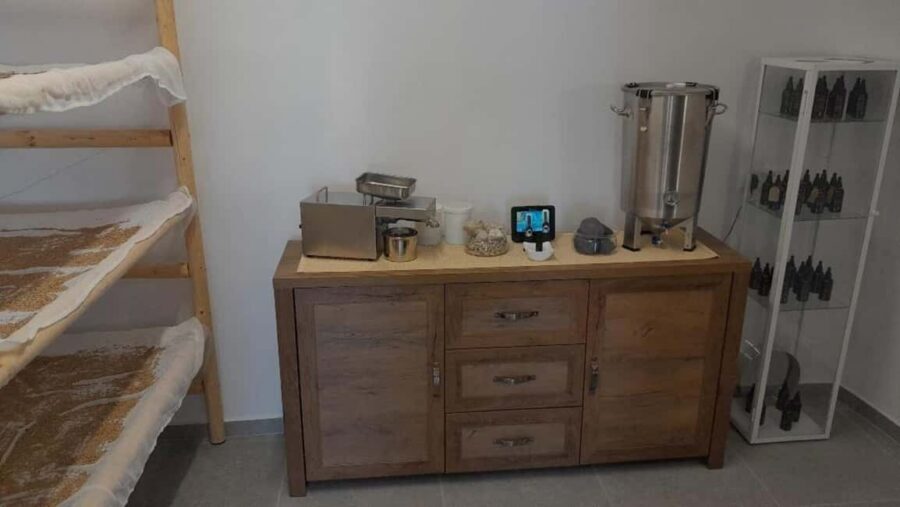
Santorini is famous for its volcanic drama and views. But this tour highlights something less visible: the island’s survival logic. The farm is described as an organic anhydrous farm, which basically means the focus isn’t on water-hungry crops. It’s about thriving with limited moisture and choosing crops and processes that work.
That’s why your tour revolves around:
- black currants and raisins
- herbs suited to dry conditions, including thyme and capers
- prickly pear products
- olive oil with herb infusions
This context makes your Santorini experience feel more honest. It connects the food to the place, instead of treating food like a generic souvenir. And if you’ve ever felt like Santorini is too commercial, this kind of visit gives you a different point of view—more how it used to be, and how people still make it work.
It’s also a reminder that organic farming isn’t only about methods. It’s also about crop selection, timing, and patience in a specific climate.
Price and Value for a 2-Hour Private Tour
At $56 per person for about 2 hours, you’re paying for three things:
1) a private guided visit (not a big bus group)
2) access to the farm facilities and the cave production area
3) a tasting that includes multiple products, not just one small sample
For many short experiences in Santorini, you pay similar money for a view, a quick walk, and maybe one drink. Here, you get a full “learn → see → taste” arc, plus the chance to meet the people behind the operation.
There’s also value in the specificity. You’re not doing a general olive oil tasting with generic explanations. You’re tasting products tied to a particular estate’s crops and processing methods. That’s harder to get elsewhere.
Could it feel expensive? If you dislike tastings or don’t care about agricultural processes, maybe. But if you want something quieter and more textured than the standard island circuit, this price feels fair for the time and access you get.
Who Should Book This Farm Visit (and Who Might Skip It)
This tour is best for you if:
- you like food that has a story
- you enjoy small-group settings and Q&A with your guide
- you’re curious about how Santorini works beyond the postcard scenes
- you’re happy with moderate walking on cobblestones and around farm areas
- you want to taste multiple products tied to the island’s dry-climate agriculture
You might want to skip it if you:
- use a wheelchair or need mobility-friendly routes (it’s not suitable for wheelchair users)
- have low level of fitness or health constraints related to the walking involved
- have heart problems, epilepsy, or visual impairments (not suitable as listed)
- are traveling with someone who needs easy restroom access (WC/toilets facilities aren’t included)
And one more honest consideration: if you’re expecting a typical lush “vegetable farm,” you’ll be surprised. This place leans into herbs, prickly pears, and currants because that’s what the island can support.
My Booking Checklist Before You Go
If you book this, do a quick prep scan:
- wear closed-toe shoes
- bring a sun hat
- plan for some uneven ground
- set aside time for tasting at the end (don’t schedule a demanding dinner right after)
- remember that smoking and alcohol and drugs are not allowed during the tour
If you’re coordinating ahead of time, you’ll communicate via email with the estate ([email protected]). That’s also helpful if you want to confirm the best timing for your day.
Should You Book Santorganics Organic Farm?
Book it if you want a Santorini experience that’s slower, smaller, and more grounded in how people actually grow and process food on the island. The black currant vineyard, the herb-drying cave, and the tastings—especially LIQUEUR RAISIN and herb-infused olive oil—make it feel like a complete story, not a quick stop.
Skip it if you need a very low-walking itinerary or you strongly prefer the typical tour comforts (like on-site toilets). Also skip it if you only want big-city sightseeing vibes. This is about farm work, crop choices, and craft.
If you fit the first group, this is exactly the kind of tour that changes your understanding of Santorini.
FAQ
How long is the Santorini private organic farm visit?
It lasts about 2 hours.
Is this tour private?
Yes. It’s a private group experience.
What languages is the guide available in?
The live guide speaks Greek and English.
What tastings are included?
The tasting includes LIQUEUR RAISIN and olive oil, plus organic must cookies, organic cereals breadstics, organic no-sugar prickly pear juice, and almond rusks, along with an introduction to organic prickly pear seed oil.
Are hotel pickup and drop-off included?
No. Hotel pickup and drop-off are not included.
Are there toilets on site?
WC/toilets facilities are not included.
Is it suitable for wheelchair users or limited mobility?
No. It’s not suitable for wheelchair users and is listed as not suitable for people with mobility impairments.
What should I not do during the tour?
Smoking is not allowed, and alcohol and drugs are not allowed.