REVIEW · SANTORINI
Santorini: Mesa Gonia, Pyrgos and Oia Tour
Book on GetYourGuide →Operated by Cretanholidays · Bookable on GetYourGuide
Santorini changes fast when you leave the caldera. This 7-hour tour takes you from village stonework and quiet lanes to Mesa Gonia ghost-village streets, then up to Pyrgos for church-and-fortress views. I like that it mixes real, traditional places with big-sky viewpoints instead of only doing the postcard stops.
My second favorite part is finishing in Oia for the sunset moment you came for. One thing to consider: even though the live guide is listed in English and German, some groups end up with more English than you’d expect, so if language matters, plan to confirm what you’ll hear.
In This Review
- Key Highlights Worth Booking For
- Why This Santorini Tour Feels Like More Than a Drive-By
- Pickup Stops and What 7 Hours Really Means on Santorini
- Mesa Gonia Ghost Village: The Earthquake Story You Can Walk Through
- Pyrgos: Byzantine Churches, a Venetian Fortress, and Big Views
- Oia at Sunset: The Payoff and How to Enjoy It
- The August Change: Why Imerovigli Might Be Swapped for Santo Winery
- Price and Value: Is $48 Worth Your Time?
- Guide Language: What to Expect in English and German
- Who This Tour Suits Best (and Who Should Skip It)
- Practical Tips Before You Go
- Should You Book the Santorini: Mesa Gonia, Pyrgos and Oia Tour?
- FAQ
- How long is the Santorini Mesa Gonia, Pyrgos and Oia Tour?
- What is included in the price?
- Is food and drink included?
- What languages is the live guide available in?
- Where does pickup happen?
- What should I bring?
- Is there any special note for August?
Key Highlights Worth Booking For
- Mesa Gonia Ghost Village: A village still shaped by the 1956 earthquake, now inhabited again
- Pyrgos Cycladic architecture: Byzantine churches and a Venetian fortress in one stop
- High-point views: Pyrgos looks out toward the northwest of Santorini
- Oia sunset timing: You end with the sun sinking below the horizon
- Seasonal swap in August: If Imerovigli can’t be reached, you’ll visit Santo Winery near Pyrgos instead
Why This Santorini Tour Feels Like More Than a Drive-By
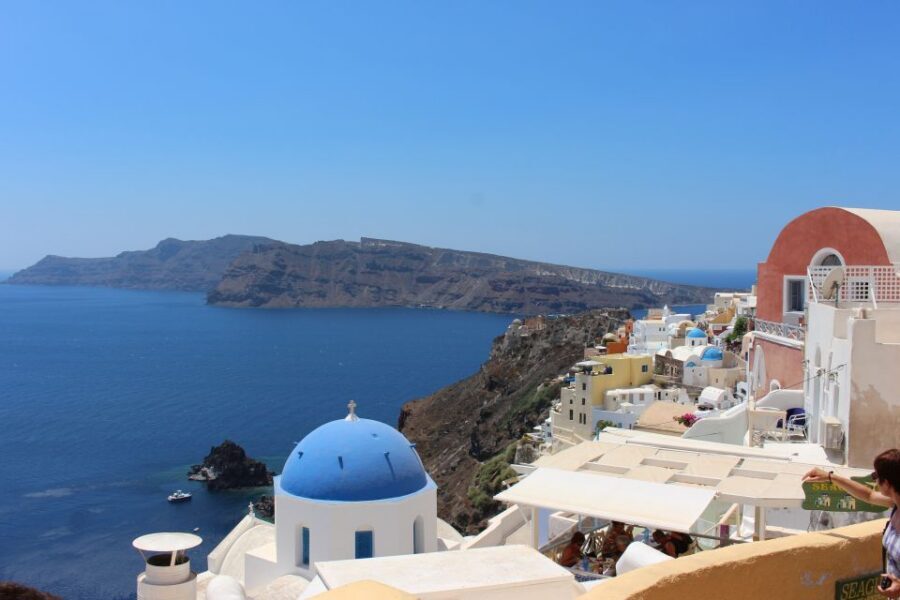
Santorini is famous for its dramatic cliffs, but what really gives you the island’s rhythm is the way people built their lives into the stone. This tour does that. You don’t just look at houses; you walk through village layers, from the earthquake story of Mesa Gonia to the layered religious and military history you’ll see in Pyrgos.
I also like the pacing. Seven hours is long enough to feel like a full afternoon, but it’s not so long that you’ll feel wrecked before sunset. You’ll be moving by bus between towns, then switching to walking time where it matters—at the stops where streets and viewpoints actually change what you see.
The format is simple: bus transfer with hotel pickup and return, a live guide, and a clear arc that ends in Oia. That makes it a strong option for a first-time visit or for anyone who wants a structured overview without hiring a private driver.
You can also read our reviews of more tours and experiences in Santorini.



Pickup Stops and What 7 Hours Really Means on Santorini
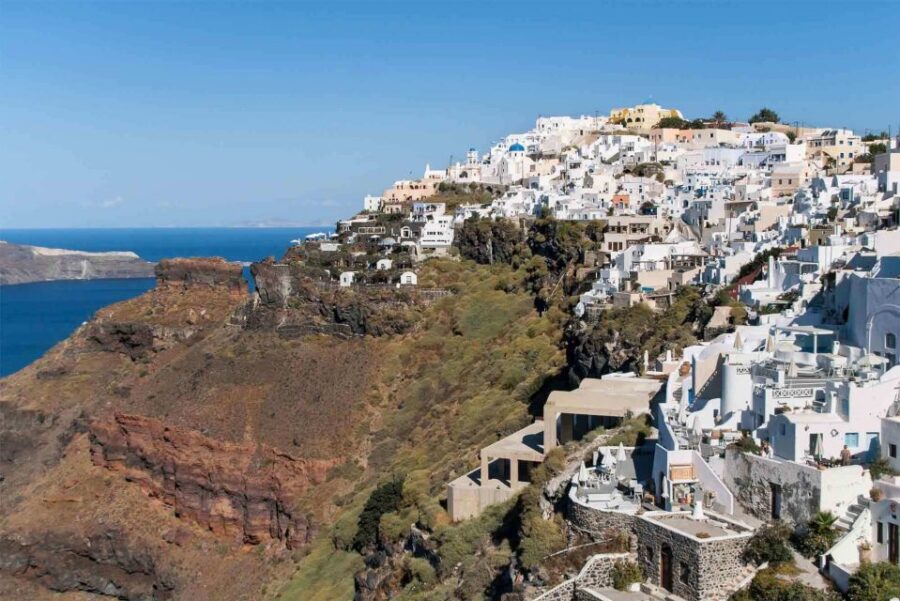
You get hotel pickup and return transfer, with service listed for Fira, Kamari, Perissa, and Akrotiri. That matters because Santorini’s towns spread out, and getting yourself around efficiently can eat up your day.
In practice, 7 hours is usually a mix of:
- time on the bus between villages
- time to stroll and look around
- time at the end in Oia for sunset
What you should plan for: you’ll likely spend more energy near the walking parts (Mesa Gonia and Pyrgos, and then Oia at sunset). So bring comfortable shoes and expect uneven paving in typical village lanes.
Mesa Gonia Ghost Village: The Earthquake Story You Can Walk Through
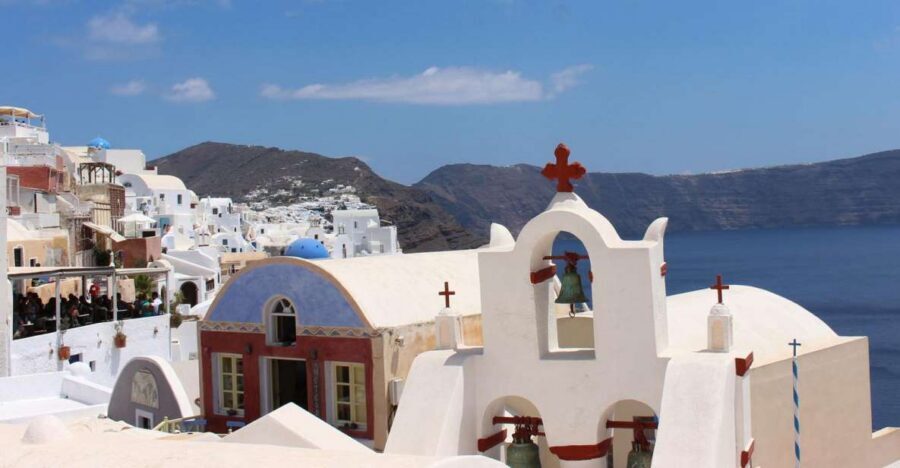
Your first real stop is Mesa Gonia, a place that carries a very specific Santorini history. The village was completely destroyed during the great earthquake of 1956, which is why it’s often called the Ghost Village. The emotional impact isn’t in a museum here. It’s in the way the village is laid out and how it was rebuilt and re-lived over time.
When you arrive, plan to slow down. This isn’t a quick-and-keep-moving photo stop. You’ll stroll through the village again inhabited and admire the charm of the architecture. Even without going deep into technical details, you’ll start to notice how Cycladic-style building and local materials shape the look and feel of Santorini towns.
Why this stop is valuable: it shifts your view from purely scenic to human. You’ll understand that the island’s beauty is matched by hardship—and that rebuilding is part of the Santorini story.
One practical note: since it’s a village walk, the best experience comes from actually walking the streets for a while, not just standing at the edges.
Pyrgos: Byzantine Churches, a Venetian Fortress, and Big Views
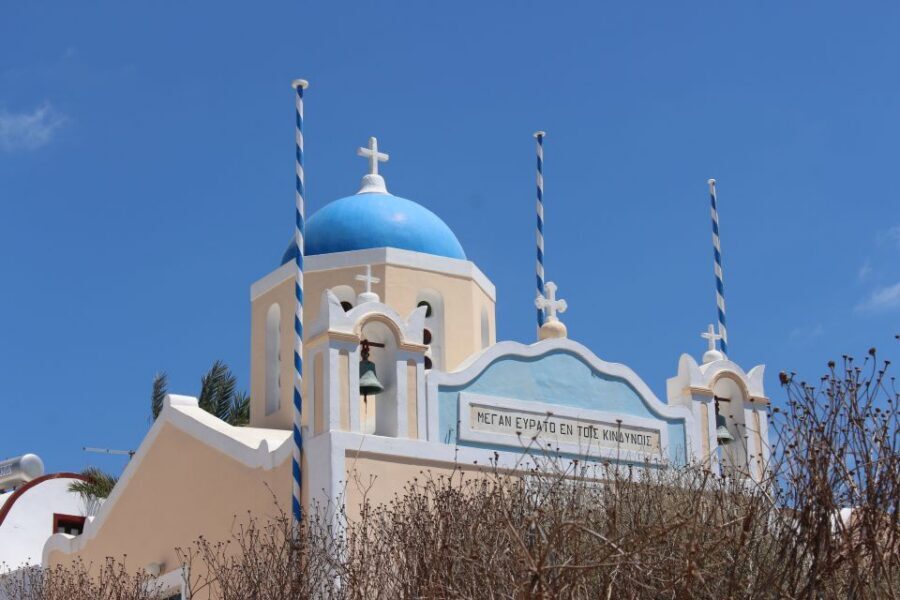
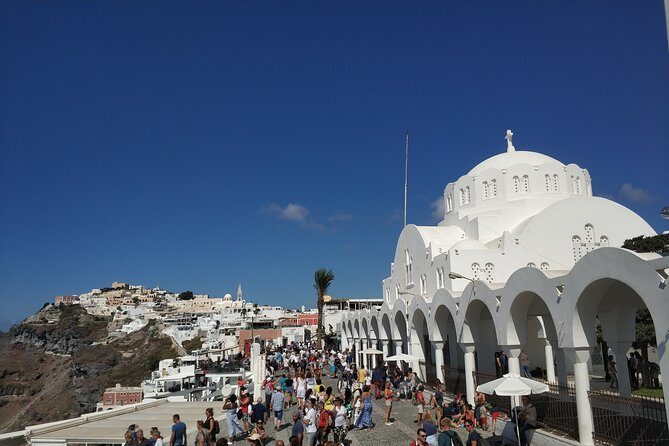
After Mesa Gonia, you move to Pyrgos, a village that’s known for architecture typical of the Cyclades. It’s also one of the highest points on the island, which is a huge advantage for sightseeing.
In Pyrgos, you’ll see:
- Byzantine churches
- a Venetian fortress
This combination works well for your understanding of Santorini’s layers. Byzantine churches point to the long religious tradition on the island, while the Venetian fortress reflects the strategic and political importance of the Aegean over centuries. Seeing both in one village stop gives you context without requiring you to add extra ticketed attractions.
And because Pyrgos is high, you’ll get wonderful views—specifically toward the northwest of Santorini. That matters for photos and for how you read the coastline and town layout from above.
Drawback to keep in mind: you’ll be walking in multiple places during the Pyrgos portion, so if you’re the type who hates uphill or long strolling, you might want to take breaks at viewpoints and let the group timing guide you.
Oia at Sunset: The Payoff and How to Enjoy It
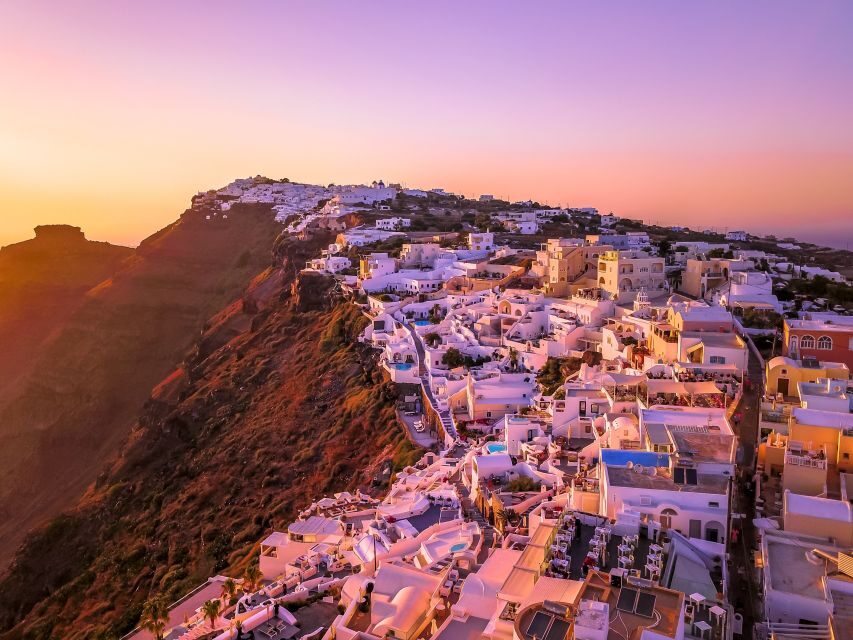
Oia is where Santorini turns into legend. This tour ends there for an unforgettable sunset as the sun sinks below the horizon. If you’ve never seen a true caldera-style sunset before, this is the moment you’ll feel it in your chest.
What makes this ending work better than many “see-it-from-a-bus” options is that you’re given time to watch the light change. The guide helps you connect what you’re seeing to the island’s shape and orientation, so it’s not just pretty—it becomes meaningful.
Practical tip: come ready to stand and look. Oia sunset viewing often means you’ll want a spot where you can see the horizon cleanly and stay put for a while. Wear shoes you can stand in comfortably.
Also, remember food and drink aren’t included. Build a simple plan for how you’ll handle water and a snack—either before you reach Oia or by buying on your own once you’re there.






The August Change: Why Imerovigli Might Be Swapped for Santo Winery
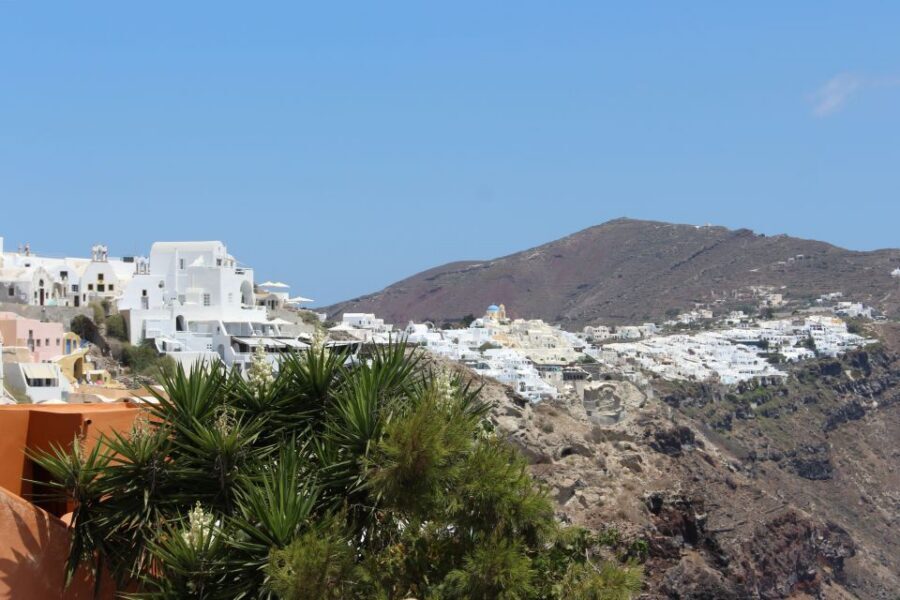
There’s one seasonal heads-up that can affect your expectations. In August, a visit to Imerovigli isn’t possible because the connecting road is closed. Instead, the tour includes a visit to Santo Winery near Pyrgos.
If you’re traveling in late summer, this is a key detail for your day. The upside is that you still keep the Pyrgos-area time, and Santo Winery offers a different kind of experience—more of a stop for tasting and local product culture than a village architecture walk.
If you absolutely want the Imerovigli side of things, you’ll need to adjust your plans and possibly choose a different month.
Price and Value: Is $48 Worth Your Time?
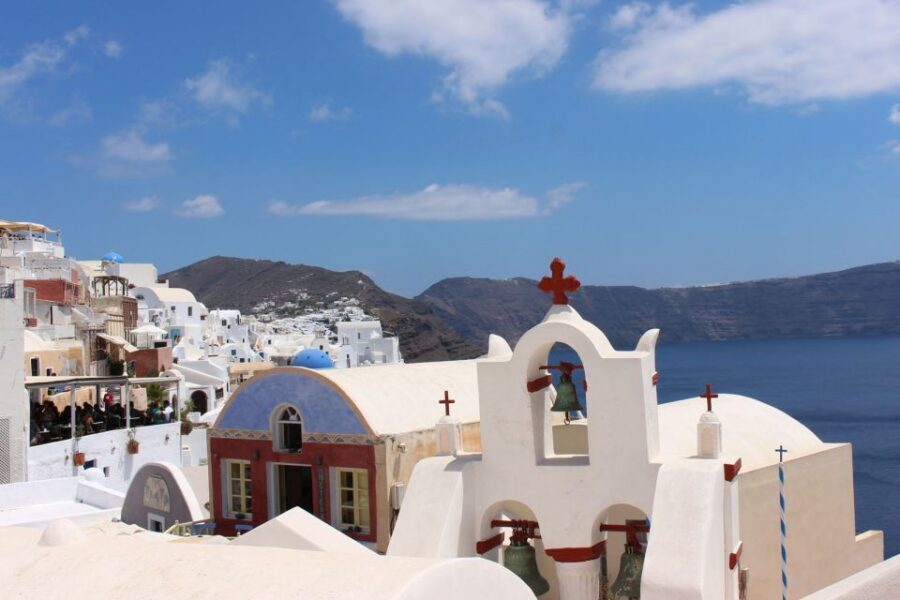
At $48 per person for a 7-hour tour, the value is mainly in the included transportation. You’re getting bus transfer plus hotel pickup and return transfer from multiple Santorini bases (Fira, Kamari, Perissa, Akrotiri). On an island where distances and timing can quietly drain your day, that alone can make this cheaper than trying to stitch together your own rides.
What’s not included is also important: food and drink. That means your true cost depends on what you do in Oia and how hungry you get during the afternoon. If you budget for at least a snack and water, the price feels fair for the time and sightseeing you’re packing in.
Who feels the best value from this tour:
- first-timers who want a structured introduction to Santorini villages
- people who want history-and-architecture stops paired with one iconic sunset
- travelers who prefer guided direction over navigating buses and finding meeting points
Who might feel less satisfied:
- anyone who expects food included
- people who want a strictly German-speaking experience with zero English bleed
- travelers who dislike walking in towns with uneven pavement
Guide Language: What to Expect in English and German
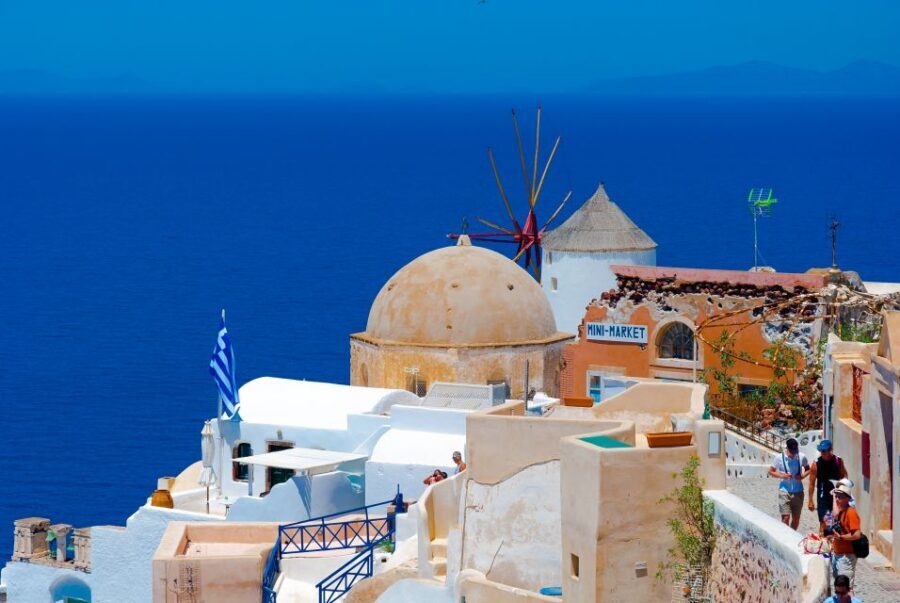
The tour is listed with a live tour guide in English and German. That’s great on paper, and for many departures it likely works smoothly.
Still, here’s the consideration I’d plan for: when a group includes multiple languages, some tours may use more English than you’d expect, even if you booked German. Sometimes the guide may translate key parts, but it’s not guaranteed to be 100% German the whole time.
My advice: if you care about understanding every detail, contact the provider ahead of time and ask what the language plan is for your date and pickup group. It’s the easiest way to avoid disappointment.
Who This Tour Suits Best (and Who Should Skip It)
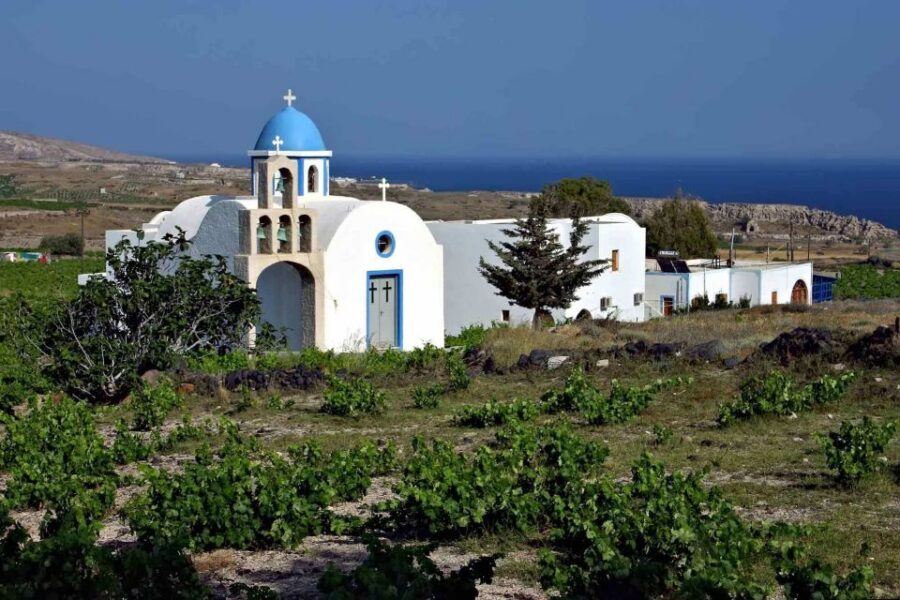
This tour fits you if you want Santorini in layers:
- earthquake history you can walk through at Mesa Gonia
- architecture and historical sites in Pyrgos, including Byzantine churches and a Venetian fortress
- a classic end goal in Oia with sunset payoff
It may not fit you as well if:
- you need a fully seated, low-walking day
- you want food included
- language consistency is non-negotiable for you
It also works nicely for couples and solo travelers who don’t want to rent a car just to see a handful of towns.
Practical Tips Before You Go
A few small details will make your day smoother:
- Wear comfortable shoes. You’ll walk in villages, not just stand on viewpoints.
- Bring a plan for water and snacks since food and drink aren’t included.
- If you’re in August, remember the Imerovigli road closure and the Santo Winery swap near Pyrgos.
- If German is your priority, confirm language expectations before you go.
Should You Book the Santorini: Mesa Gonia, Pyrgos and Oia Tour?
I’d book this tour if you’re looking for a guided way to connect the dots on Santorini—ghost-village history in Mesa Gonia, layered religious and fortress heritage in Pyrgos, and a sunset ending in Oia that feels like the real finish line.
Skip it (or reconsider) if you’re picky about language every minute, want all-inclusive food, or don’t enjoy walking through village streets.
For most visitors, though, the mix of traditional towns + viewpoint time + sunset is exactly the kind of balance that turns a day into a story you’ll remember.
FAQ
How long is the Santorini Mesa Gonia, Pyrgos and Oia Tour?
The tour lasts 7 hours.
What is included in the price?
The price includes bus transfer and hotel pickup and return transfer.
Is food and drink included?
No, food and drink are not included.
What languages is the live guide available in?
The live tour guide is available in English and German.
Where does pickup happen?
Pickup is included at specific locations in Fira, Kamari, Perissa, and Akrotiri.
What should I bring?
Wear comfortable shoes.
Is there any special note for August?
Yes. In August, a visit to Imerovigli is not possible because the connecting road is closed, and the tour instead visits Santo Winery near Pyrgos.