REVIEW · CALDERA CRUISES
Discover Scuba Diving in the Caldera of the Volcano in Santorini
Book on Viator →Operated by Santorini Dive Center · Bookable on Viator
Volcanic caldera scuba is a first-class wow. This experience starts in the crater area at Caldera Beach in Akrotiri, so you’re in the water fast. I like that it’s a small-group setup (max 10), and I like the clear, step-by-step instruction before you go underwater. One thing to consider: if you’re the kind of person who hates being uncomfortable, the early minutes can feel a little scary while you get used to breathing and buoyancy.
The best part, for me, is the pacing. You practice in shallow water—about waist deep—until breathing and basic underwater hand signals start to feel normal. If you’ve never worn a mask underwater, expect a learning curve and be ready for the mask to fog or leak a bit while you figure it out.
There’s also one practical constraint that’s easy to miss: after your underwater session, you shouldn’t take a plane for 12 hours. If your Santorini schedule includes a same-day flight, you’ll want to plan that buffer upfront.
In This Review
- Key things to know before you go
- Volcano-crater setting on Caldera Beach: why this place feels different
- The 2-hour flow: from briefing to a controlled reef swim
- Waist-deep practice: where first-timers actually gain control
- The reef swim near Santorini: fish, rock, and clear-water moments
- Equipment, photos, and the safety vibe that matters
- Timing, the 12-hour flight rule, and weather reality
- Price ($108.84): what you’re really paying for
- Who this fits best (and who should pause)
- Should you book Santorini’s caldera scuba session?
- FAQ
- What time does the scuba program start in Santorini?
- How long is the total experience, and how long are you underwater?
- Do I need to bring scuba equipment?
- Is this experience suitable for beginners?
- Where do I meet for the activity?
- What’s the maximum group size?
- Is it safe to fly after the session?
- What if the weather is bad?
- Is there a full refund if I cancel?
Key things to know before you go
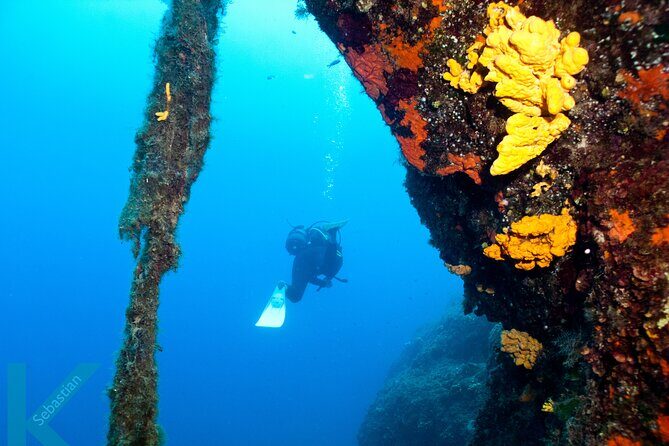
- Small group size (max 10) keeps coaching personal and safety checks more frequent.
- Training right by the water means less waiting around and more time practicing.
- You start waist-deep and take your first breaths underwater in a controlled setting.
- A guided reef swim follows once you’re comfortable, with chances to see plenty of fish.
- Instructors like Barak and Zoe are repeatedly described as patient, calm, and thorough with first-timers.
- GoPro-style photo/video capture may be available, so you’re not stuck relying on your own camera skills.
Volcano-crater setting on Caldera Beach: why this place feels different
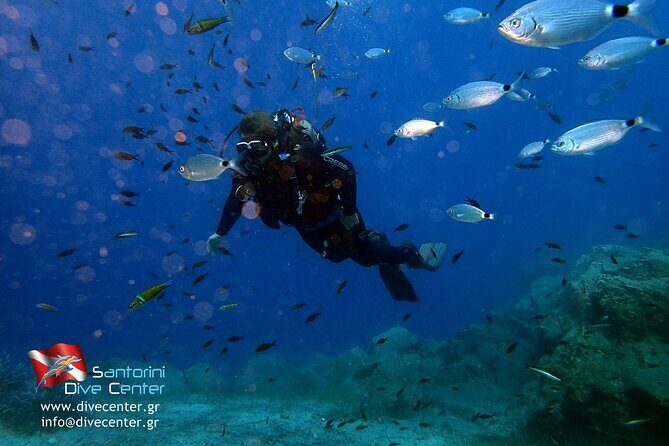
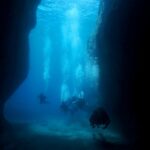
Santorini is famous for views from above. This is different. You get to see the caldera environment from the water, and the whole mood changes when you’re swimming alongside volcanic rock instead of staring at it from a cliff.
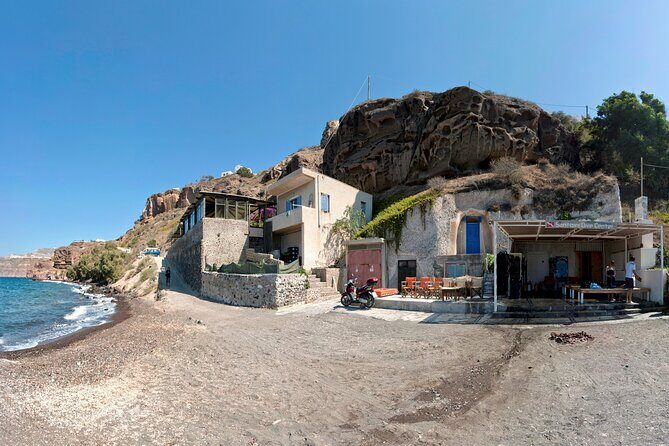
The meeting point puts you at Akrotiri’s Caldera Beach, right by the sea. That matters more than you might think. When a beginner activity starts quickly, you spend less time psyching yourself out and more time building confidence. In this case, the operator teaches you on site and then you suit up and head straight into the water.
The “volcano crater” idea isn’t just marketing language, either. You’re in a unique setting where the water and rock create a natural stage for a first underwater experience. The reef area nearby is set up for beginners—enough interest to be fun, but not so technical that you feel out of your depth.
If you’re coming to Santorini for scenery and photos, this adds a whole new perspective. And if you’re the cautious type, the fact that the team is focused on calm basics is a big deal.
You can also read our reviews of more scuba diving tours in Santorini
The 2-hour flow: from briefing to a controlled reef swim
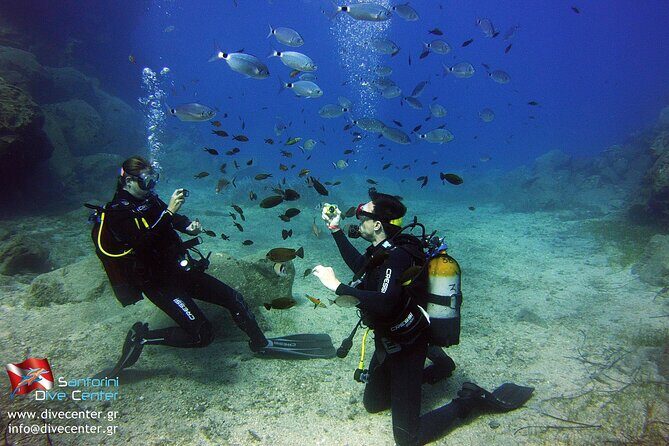
Plan on about 2 hours 30 minutes total. The underwater portion is shorter—about 35 minutes—which is exactly how you want it for a first time. It keeps the experience exciting without dragging on until you’re exhausted or frustrated.
Here’s how the session typically moves:
First, the briefing (around 20 minutes). You’ll learn basic scuba principles, the important underwater hand signals, and how to use the equipment. For first-timers, this is where confidence starts. Knowing what your instructor expects from you reduces the panic factor when your brain is juggling breathing, buoyancy, and the fact that you’re suddenly surrounded by water.
Then, wetsuits and gear. You’ll gear up on site and head into the water immediately from the beach. That transition is helpful. There’s no long boat ride, no confusing logistics, and no extra time for nerves to grow.
Next, shallow-water practice. You’ll stop around waist deep. You’ll bend down and take your first breaths underwater with supervision and hand-signal practice. It’s simple and controlled, like learning to swim in the shallow end rather than jumping straight into the deep.
Finally, you go with an instructor underwater for a guided swim around the nearby reef. This is where you’ll get to play a bit with the fish and enjoy clear views.
Waist-deep practice: where first-timers actually gain control
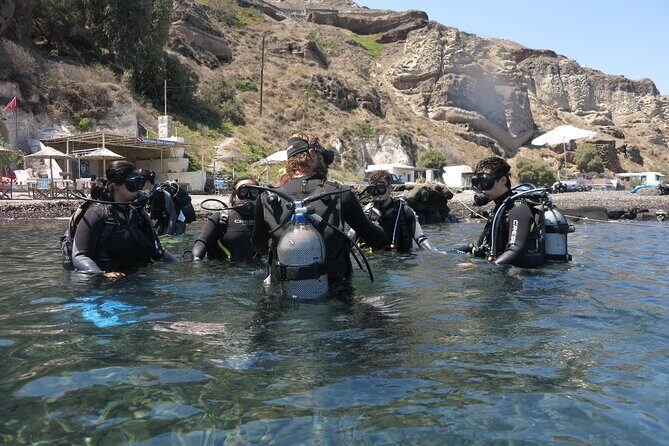
The way they teach makes a difference. This isn’t a rushed “go now” situation. You start in shallow water and you’re allowed to take baby steps.
Expect to work on:
- breathing steadily through the equipment
- using underwater hand signals
- basic body control and buoyancy
That last part matters because buoyancy feels weird at first. You may feel floaty or heavy. You may also feel like you can’t control your head and shoulders. The goal isn’t perfection. The goal is comfort fast.
Many people get nervous once the regulator is in their mouth, even if they understood the instructions on land. The good news here is the support style. Instructors are described as taking their time, checking on comfort often, and adjusting pacing so you don’t feel rushed.
If you get mask fog or water in your mask, don’t treat it as failure. It’s part of the learning curve. The trick is staying calm, clearing the mask when needed, and continuing with the instructor’s guidance.
Also, if you’re anxious about your ears during descent, know this: practice often includes stepping down gradually so you can learn how ear pressure control feels. It’s not about forcing it. It’s about letting your body adapt.
The reef swim near Santorini: fish, rock, and clear-water moments
Once you’re comfortable, the guided underwater session moves you from practice into real viewing. You’ll swim around the nearby reef area, and you’ll have time to watch fish up close.
This is the part most people remember. It’s not about speed or distance. It’s about being able to look around—rock texture, seabed detail, and the quick flick of fish that always makes you think you’re one step ahead of the ocean’s pace.
In Santorini’s caldera waters, the visibility is often a highlight. When conditions are good, it feels bright and clean underwater, and that helps first-timers feel less disoriented.
You’ll also likely be surprised by how much variety you can see even on a beginner plan. The goal is to make you feel successful in a short time without overwhelming you.
One practical point: you will be under for around 35 minutes total. For first-timers, that’s the sweet spot. It gives you a real taste while keeping fatigue low. If you want longer, you’ll probably start looking at bigger options afterward—and that’s how many people end up back in Santorini the next time they vacation.
Equipment, photos, and the safety vibe that matters
You don’t need to bring gear. Equipment is provided, and wetsuits are part of the setup. That takes a lot of stress off your planning. The staff also focus on clean, well-maintained gear—people specifically called out that equipment felt properly cared for.
What I love about this style is the safety vibe. Multiple instructors can follow you underwater, which means more eyes on you and more opportunities to get help fast if something feels off. For first-timers, that reduces the “am I alone out here?” feeling.
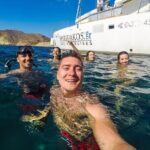
You may also get underwater photo/video help. One of the standout details from people’s experiences is that they brought a GoPro for pictures and videos. If this is important to you, ask about it when you confirm your session.
A small note for real life: even if you’re confident on land, you can still feel shaky in the first minutes underwater. That doesn’t mean you’re doing it wrong. It usually means you need a couple of rounds of breathing practice.





Timing, the 12-hour flight rule, and weather reality
Sessions run at 10:00 or 13:00 from the beach station on site. Booking in advance is pretty common—on average, this gets reserved about 32 days ahead—so lock in a time when your Santorini plans are still flexible.
Plan your day around the experience length: about 2 hours 30 minutes total, with around 35 minutes underwater. Leave time before and after for fitting, gear checks, and drying off.
Two timing notes that can save headaches:
- After one underwater session, it’s not recommended to take a plane for 12 hours. If you have a flight the same day, you may need to rethink your schedule.
- The experience requires good weather. If it can’t safely run due to conditions, you’ll be offered a different date or a full refund.
For Santorini, weather shifts happen. So if your itinerary is tight, consider choosing a time that gives you a backup window later that day or the next day.
Price ($108.84): what you’re really paying for
The price is $108.84 per person, and the value comes from what’s included and how it’s structured, not just the activity itself.
Here’s what you’re paying for:
- small-group coaching (max 10)
- a beginner-focused briefing and hand-signal training
- wetsuits and scuba equipment provided
- shallow-water practice before you go to the reef
- guided support underwater
That structure is the key. You’re not just paying to be in the water—you’re paying to be taught in a way that keeps the experience manageable. First-time scuba is all about comfort. A rushed course can turn into panic. A paced course helps you actually enjoy what you came for.
Also, the staff’s ability to calm nerves gets real emphasis in people’s accounts. When you’re paying for something you’ve never tried before, that matters as much as the fish you’ll see.
If you’ve got any doubts about your comfort level, this is one of those times when spending the money on instruction pays back fast.
Who this fits best (and who should pause)
This is a strong option if:
- you’re a first-timer and want a guided, beginner-friendly plan
- you want clear steps: briefing → shallow practice → guided reef swim
- you’d prefer small-group attention rather than feeling lost
It’s also a good fit for people who like their activities structured but still fun. The plan includes enough underwater time to feel real, but it doesn’t overstay.
Pause before booking if:
- you have to fly within 12 hours afterward (schedule mismatch is the main issue)
- you’re extremely uncomfortable with breathing adjustments and mask quirks (most people settle quickly, but it’s still real)
- you have tight time windows and weather sensitivity. The activity depends on conditions.
Good news: the instruction style here is repeatedly described as patient and calm, including instructors such as Barak and Zoe. That kind of coaching can turn fear into focus.
Should you book Santorini’s caldera scuba session?
If you want a memorable Santorini activity that’s not just another viewpoint, I’d book this—especially if you’ve never done scuba before. The setup makes a difference: short, guided steps; shallow practice; and personal attention in a group capped at 10.
My main booking advice is simple. Check your timing for the 12-hour no-flight rule, pick a session time that isn’t right before a departure, and bring a realistic mindset. You might feel nervous at first. That’s normal. The whole point of the program is helping you get comfortable fast, so you can focus on the fish and the underwater caldera scenery.
If you’re flexible with weather and your schedule has breathing room, this is one of the better-value ways to see Santorini from underwater.
FAQ
What time does the scuba program start in Santorini?
The program starts at 10:00 or 13:00 from the scuba center at Akrotiri Caldera Beach.
How long is the total experience, and how long are you underwater?
Total duration is about 2 hours 30 minutes. You’ll be underwater for around 35 minutes in total, after an initial briefing of about 20 minutes.
Do I need to bring scuba equipment?
No. The tour provides all equipment and training. Wetsuits and scuba gear are part of the setup before you enter the water.
Is this experience suitable for beginners?
Yes. It’s a beginner-friendly program that teaches basic scuba principles, underwater hand signals, and equipment use. You also start in shallow water (about waist deep) before the guided swim.
Where do I meet for the activity?
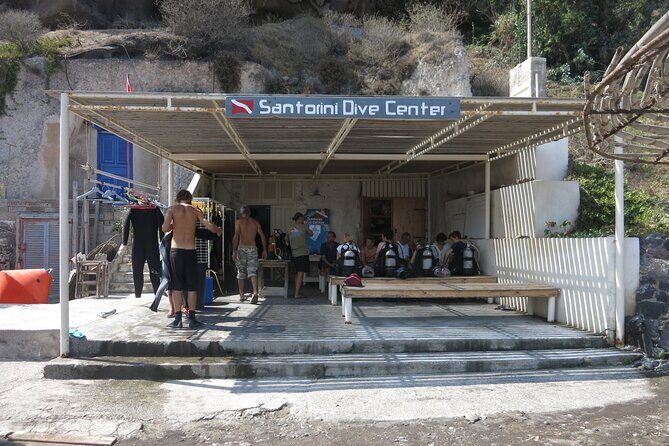
You meet at Santorini Dive Center, Akrotiri Caldera Beach, Santorini 847 00, Greece. The activity ends back at the meeting point.
What’s the maximum group size?
The experience has a maximum of 10 travelers, designed to keep the group personal.
Is it safe to fly after the session?
It’s not recommended to take a plane for 12 hours after one underwater session.
What if the weather is bad?
The experience requires good weather. If it’s canceled due to poor weather, you’ll be offered a different date or a full refund.
Is there a full refund if I cancel?
You can cancel up to 24 hours in advance for a full refund. Canceling less than 24 hours before the start time doesn’t receive a refund.