This Santorini private agri-educational visit takes you through an organic estate shaped by the island’s dry conditions, starting with black currant vineyard walks and ending with a tasting of LIQUEUR RAISIN plus herb flavors you can’t get in town. I also like that you’re not just looking at plants, you’re learning how the farm processes them, including a cave used for natural herb drying.
The one thing to plan for is the walking: it’s a moderate walk on cobblestones and around the farm, and there are no WC/toilets facilities included. If you’re sensitive to uneven ground, this is worth thinking about before you book.
Key Things To Know Before You Go
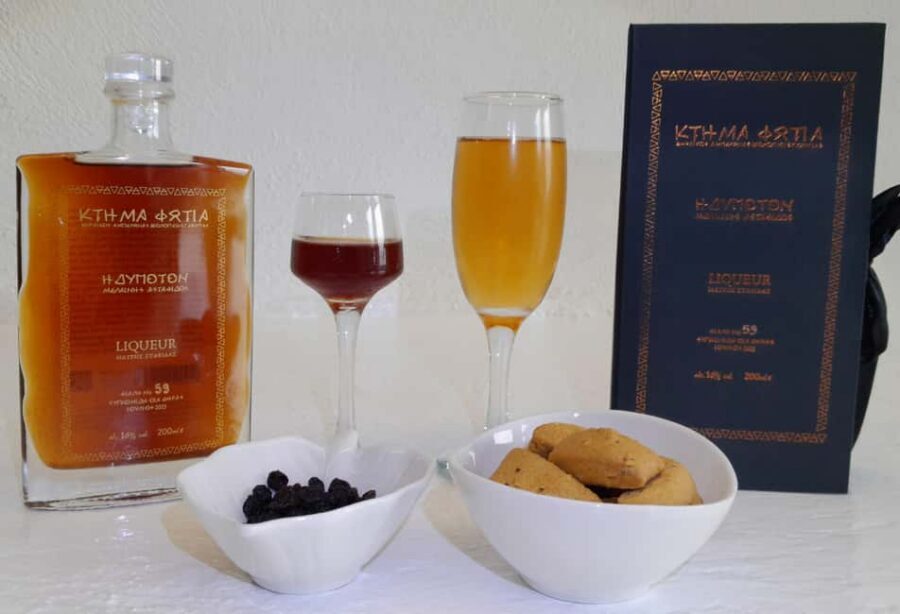
- Meet the owners: Dimitris and Maria run the place with real passion and you’ll hear how the farm works day to day.
- Black currant first: You’ll stroll the first organic black currant vineyard in Santorini and understand why it matters here.
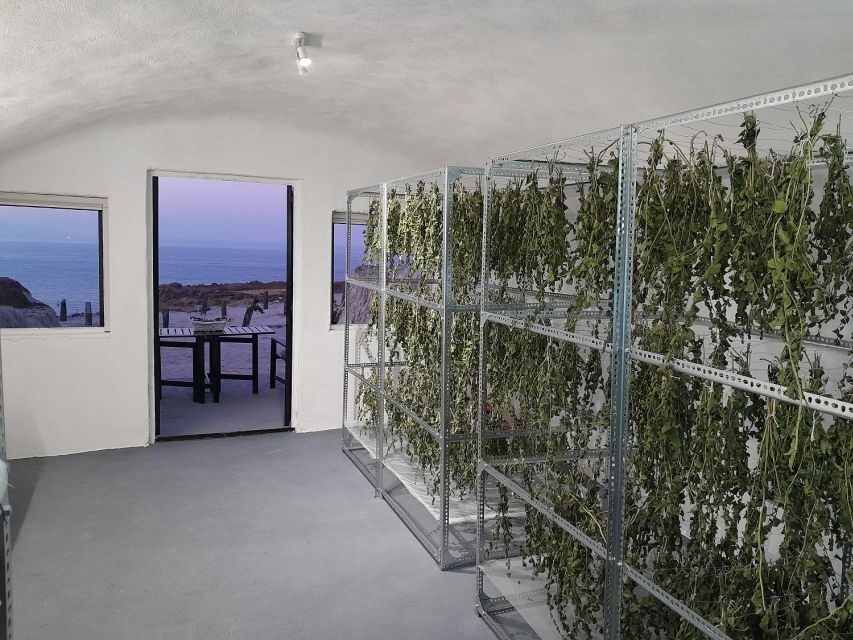
- Herb-drying cave: A famous cave is part of the production story, showing how herbs are naturally dried.
- Prickly pear products: Expect prickly pear seed oil and a no-sugar prickly pear juice tasting.
- Olive oil with attitude: You’ll taste herb-infused extra virgin olive oil alongside regional bites.
- Private by default: This is a private group experience with a live guide in English and Greek.
Why This Santorini Farm Visit Feels Like a Time Machine
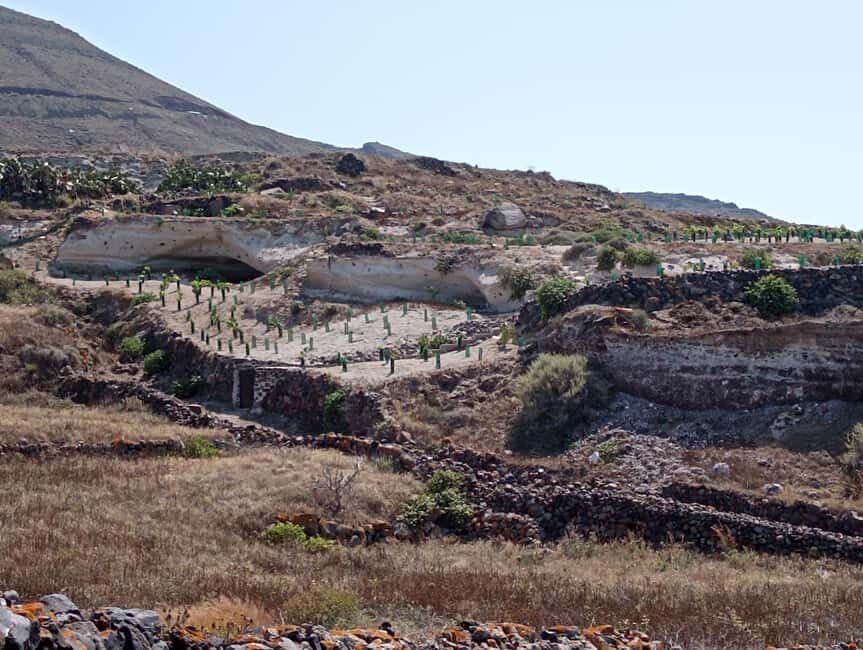
Santorini can be a visual overload: white walls, big views, cruise crowds, and the same souvenirs in every shop. This tour slows you down on purpose. You walk into a working organic estate where the point isn’t Instagram shots. It’s how people survive and craft food on a dry island.
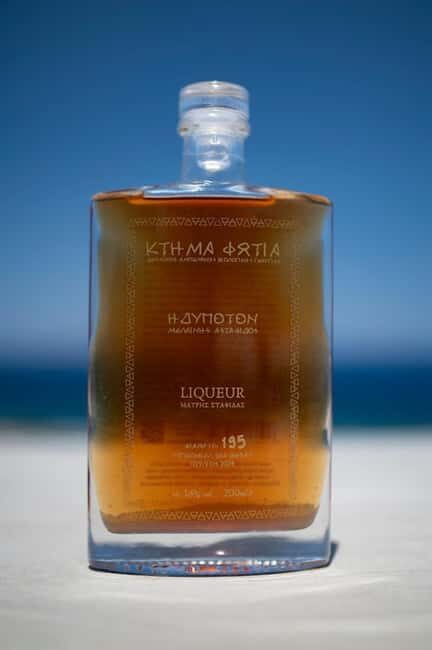
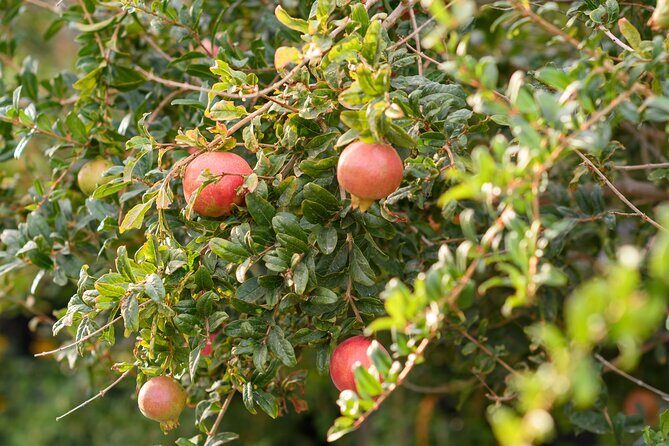
I love that the farm doesn’t pretend it’s something it’s not. There’s no big vegetable garden fantasy here. The climate is too dry, so you focus on what grows well locally: herbs like caper and thyme, prickly pears, and black currants that turn into black raisins and then into the star tasting, LIQUEUR RAISIN.
A second thing I like is that you’re treated like a real guest. When you meet Dimitris and Maria, it adds a human layer to everything. The tour isn’t just facts on a sign. It’s people explaining why they do things the way they do.
One practical note: because this is a farm and not a museum, expect uneven ground and walking. You’ll be on cobblestones for at least part of the route, and you should wear sturdy shoes.
The Short Walk In: Cobblestones, Scenic Stops, and Farm Energy
Your experience starts by meeting your guide and then heading to the farm on foot. You hike only a few meters along picturesque cobblestone streets before you reach the estate. That short stretch matters because it helps you feel where you are: Santorini isn’t flat and tidy, and the stone paths are part of the island character.
Along the way, there may be a scenic photo stop, and depending on your start time you might catch sunrise or sunset views. This isn’t a long bus ride that starts and ends the day. It’s more like you step into the farm’s world while the island is still doing its thing.
For your comfort:
- bring a sun hat
- wear comfortable clothes
- plan on closed-toe shoes
- if you need help on uneven ground, a hiking baton is available
This part is also where you’ll get your bearings fast. Your guide sets the tone: what you’ll see, what you’ll taste, and what to pay attention to as the tour moves from plants to processing.
Black Currant Vineyard Walk: What Grows Here and Why
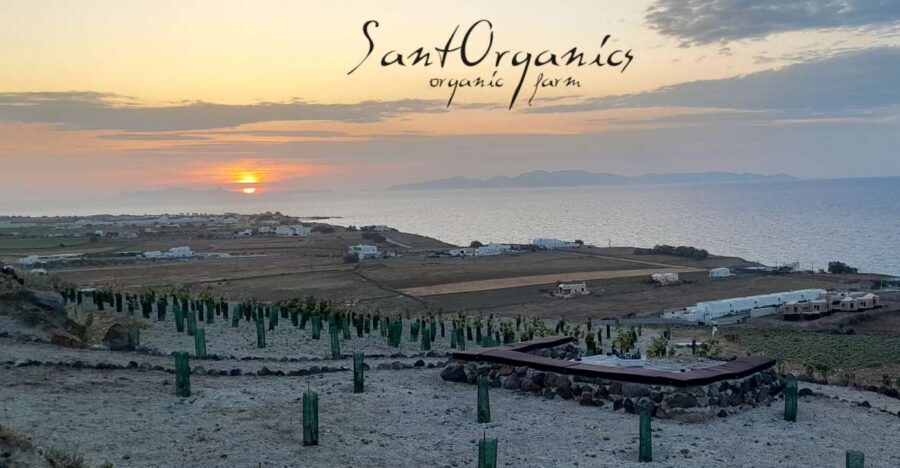
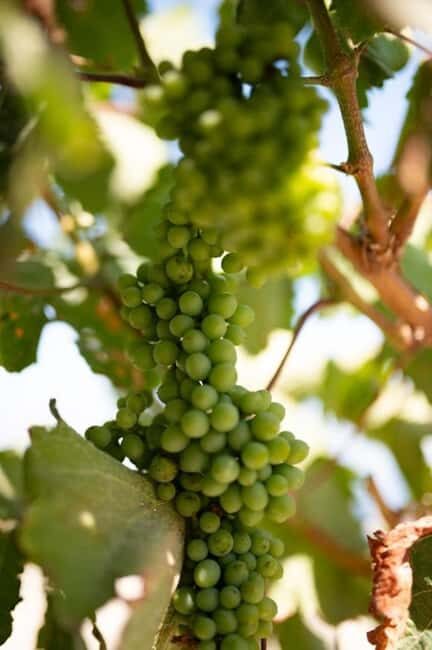
The heart of the visit begins in the black currant vineyard, described as the first organic black currant vineyard in Santorini. This is the kind of crop choice that tells you a lot about the island: black currants thrive here in a way that supports the farm’s whole production chain.
As you walk through the vines, you’re not just being shown plants. You’re learning how the island’s dryness shapes the approach. Black currants are traditionally linked to raisin production, and here that becomes part of the organic story.
What I find useful as a traveler is that the tour gives you a framework. Instead of tasting something and wondering what it is, you learn the steps that turn raw fruit into something shelf-stable and intensely flavored. That’s what makes the final tasting feel earned rather than random.
Your guide also introduces other local varieties of herbs, including caper and thyme. Depending on the season, you might even have the chance to pick some herbs. Even if you don’t pick, you’ll get the sense of what grows where, and you’ll start spotting these plants like you belong there for a day.
Inside the Organic Farm Facilities: Artisanal Processes You Can See
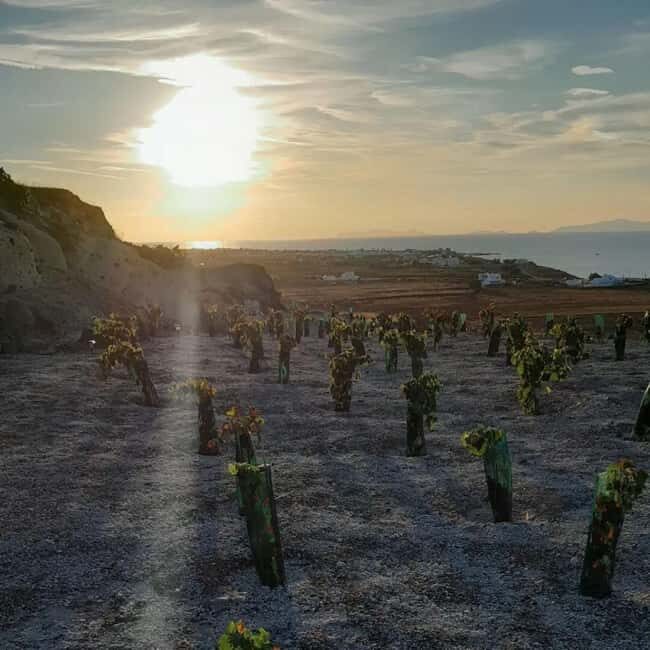
After the vineyard and herb walk, the tour shifts into how the farm works as a production space. You’ll tour the facilities and learn about their artisanal processing methods. The big takeaway is that the farm’s style is practical: it uses traditional steps that fit the environment instead of fighting it.
This is where the “private” part really pays off. In a small group, you can ask specific questions. You can also slow down at moments that interest you: how herbs are handled, how olive oil is treated, why certain products take the form they do.
You also get the best kind of farm context: the connection between raw ingredients and the finished tasting you’ll have later. Many tasting experiences are disconnected from production. Here, you get the production thread all the way through.
And yes, you’re on a farm estate with real farm logic, not a staged show. That’s why this experience works better if you like learning by observation.
The Cave Stop: Natural Herb Drying, Plain and Practical
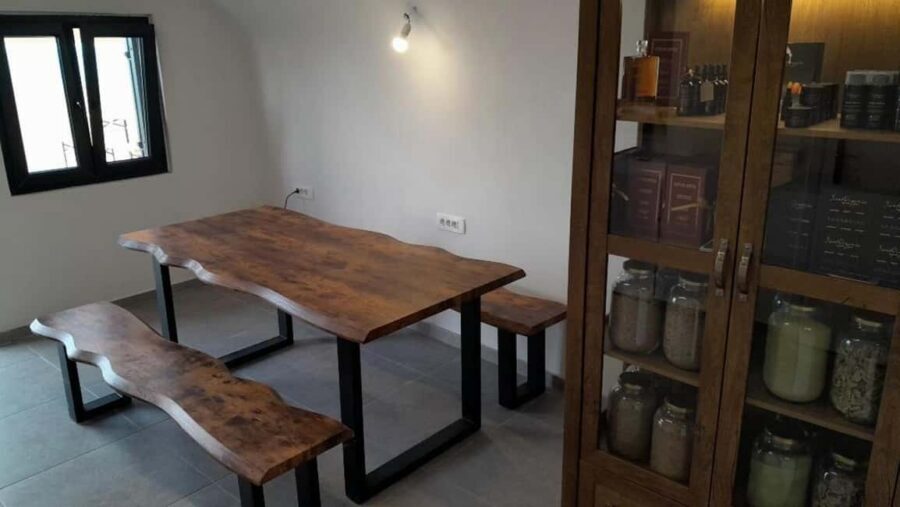
One of the most memorable moments is stepping into a famous cave used traditionally for the natural drying of herbs. This is the kind of detail that turns a farm visit into something you’ll remember a year later.
Why a cave? The tour explains the stages of harvesting and production in the natural herb drying area. You see how the environment supports drying without turning it into a factory job. It’s a reminder that people used to solve food-processing problems with architecture and patience, not electronics.
As you’re moving through this part:
- watch how herbs are handled and staged
- listen for the link between harvesting timing and drying needs
- don’t rush photos—this is more about understanding than framing
If you’re the kind of traveler who loves seeing where flavor comes from, this is your highlight. It’s also a good mental reset from the crowds outside. You’re in a space shaped by everyday work.
Tasting LIQUEUR RAISIN and Herb-Infused Olive Oil
Now for the part your taste buds have been waiting for.
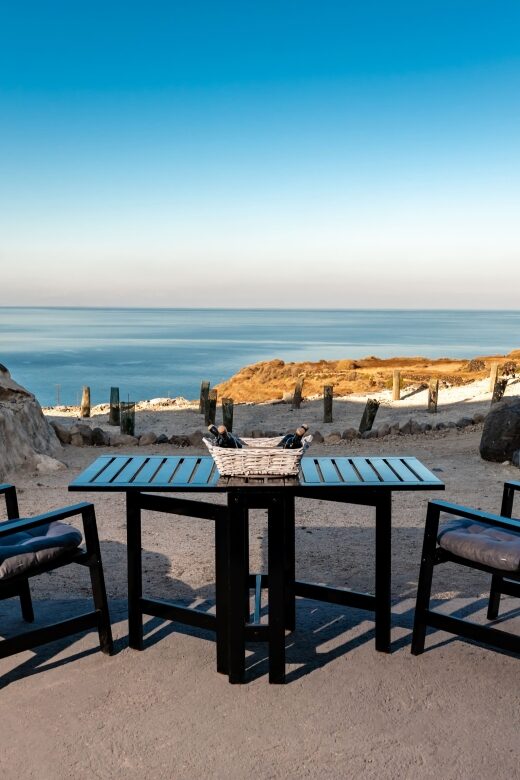
The tour ends with a tasting featuring LIQUEUR RAISIN and infused extra virgin olive oil paired with regional bites. This is not just “try a sample and move on.” It’s a structured tasting that matches what you learned earlier.
Here’s what’s included in the tasting experience:
- LIQUEUR RAISIN tasting
- olive oil tasting, including herb-infused varieties
- organic must cookies
- organic cereals breadstics
- organic no-sugar prickly pear juice
- almond rusks
- an introduction to organic prickly pear seed oil
I like this lineup because it gives you multiple flavor angles:
- sweetness and depth from the black currant/raisin chain (that’s the LIQUEUR RAISIN connection)
- savory aromatics from herb-infused olive oil
- bright, unusual freshness from prickly pear juice
- crunchy textures from breadstics and rusks
Also, since you’re learning the “why” before you taste, you’ll understand what you’re picking up—herb notes, raisin-like depth, and the way different crops behave in processing.
One small practical thought: plan to taste slowly. If you rush through this, you’ll miss the differences your guide is pointing out.
Anhydrous Organic Farming: The Island Logic Behind the Menu
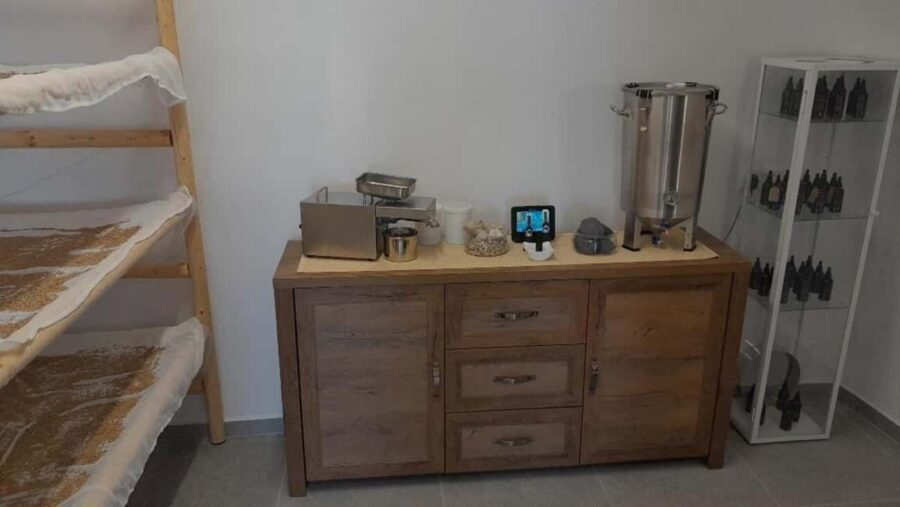
Santorini is famous for its volcanic drama and views. But this tour highlights something less visible: the island’s survival logic. The farm is described as an organic anhydrous farm, which basically means the focus isn’t on water-hungry crops. It’s about thriving with limited moisture and choosing crops and processes that work.
That’s why your tour revolves around:
- black currants and raisins
- herbs suited to dry conditions, including thyme and capers
- prickly pear products
- olive oil with herb infusions
This context makes your Santorini experience feel more honest. It connects the food to the place, instead of treating food like a generic souvenir. And if you’ve ever felt like Santorini is too commercial, this kind of visit gives you a different point of view—more how it used to be, and how people still make it work.
It’s also a reminder that organic farming isn’t only about methods. It’s also about crop selection, timing, and patience in a specific climate.
Price and Value for a 2-Hour Private Tour
At $56 per person for about 2 hours, you’re paying for three things:
1) a private guided visit (not a big bus group)
2) access to the farm facilities and the cave production area
3) a tasting that includes multiple products, not just one small sample
For many short experiences in Santorini, you pay similar money for a view, a quick walk, and maybe one drink. Here, you get a full “learn → see → taste” arc, plus the chance to meet the people behind the operation.
There’s also value in the specificity. You’re not doing a general olive oil tasting with generic explanations. You’re tasting products tied to a particular estate’s crops and processing methods. That’s harder to get elsewhere.
Could it feel expensive? If you dislike tastings or don’t care about agricultural processes, maybe. But if you want something quieter and more textured than the standard island circuit, this price feels fair for the time and access you get.
Who Should Book This Farm Visit (and Who Might Skip It)
This tour is best for you if:
- you like food that has a story
- you enjoy small-group settings and Q&A with your guide
- you’re curious about how Santorini works beyond the postcard scenes
- you’re happy with moderate walking on cobblestones and around farm areas
- you want to taste multiple products tied to the island’s dry-climate agriculture
You might want to skip it if you:
- use a wheelchair or need mobility-friendly routes (it’s not suitable for wheelchair users)
- have low level of fitness or health constraints related to the walking involved
- have heart problems, epilepsy, or visual impairments (not suitable as listed)
- are traveling with someone who needs easy restroom access (WC/toilets facilities aren’t included)
And one more honest consideration: if you’re expecting a typical lush “vegetable farm,” you’ll be surprised. This place leans into herbs, prickly pears, and currants because that’s what the island can support.
My Booking Checklist Before You Go
If you book this, do a quick prep scan:
- wear closed-toe shoes
- bring a sun hat
- plan for some uneven ground
- set aside time for tasting at the end (don’t schedule a demanding dinner right after)
- remember that smoking and alcohol and drugs are not allowed during the tour
If you’re coordinating ahead of time, you’ll communicate via email with the estate ([email protected]). That’s also helpful if you want to confirm the best timing for your day.
Should You Book Santorganics Organic Farm?
Book it if you want a Santorini experience that’s slower, smaller, and more grounded in how people actually grow and process food on the island. The black currant vineyard, the herb-drying cave, and the tastings—especially LIQUEUR RAISIN and herb-infused olive oil—make it feel like a complete story, not a quick stop.
Skip it if you need a very low-walking itinerary or you strongly prefer the typical tour comforts (like on-site toilets). Also skip it if you only want big-city sightseeing vibes. This is about farm work, crop choices, and craft.
If you fit the first group, this is exactly the kind of tour that changes your understanding of Santorini.
FAQ
How long is the Santorini private organic farm visit?
It lasts about 2 hours.
Is this tour private?
Yes. It’s a private group experience.
What languages is the guide available in?
The live guide speaks Greek and English.
What tastings are included?
The tasting includes LIQUEUR RAISIN and olive oil, plus organic must cookies, organic cereals breadstics, organic no-sugar prickly pear juice, and almond rusks, along with an introduction to organic prickly pear seed oil.
Are hotel pickup and drop-off included?
No. Hotel pickup and drop-off are not included.
Are there toilets on site?
WC/toilets facilities are not included.
Is it suitable for wheelchair users or limited mobility?
No. It’s not suitable for wheelchair users and is listed as not suitable for people with mobility impairments.
What should I not do during the tour?
Smoking is not allowed, and alcohol and drugs are not allowed.
]]>You’ll start with a short look at the on-site garden, then move to a modern cooking studio to make a 3-course-style meal from Santorini favorites. The best part is that it ends with you eating what you cooked, plus dessert and wine.
I love that you’ll cook a real Santorini menu, not just a tourist version of Greek food, and I love that you get practical recipes to take home. The one thing to plan for: there’s no hotel pickup, so you’ll need to get yourself to the meeting point.
Key highlights you’ll care about
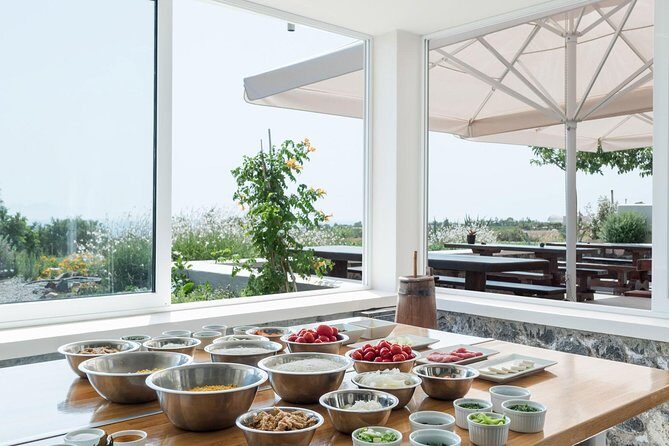
- Private group class: only your group participates, led by Chef Christos
- Farm-to-table start: a quick garden walkthrough before the cooking begins
- Hands-on menu: three Santorini specialties, with a vegetarian option on request
- Volcanic wine pairing: local wines from Artemis Karamolegos Winery included
- Eat where you cook: your meal follows right after, indoors or outdoors
- Recipes to keep: bring the dishes home in your own kitchen
The Santorini farm-to-table setup: garden first, studio second
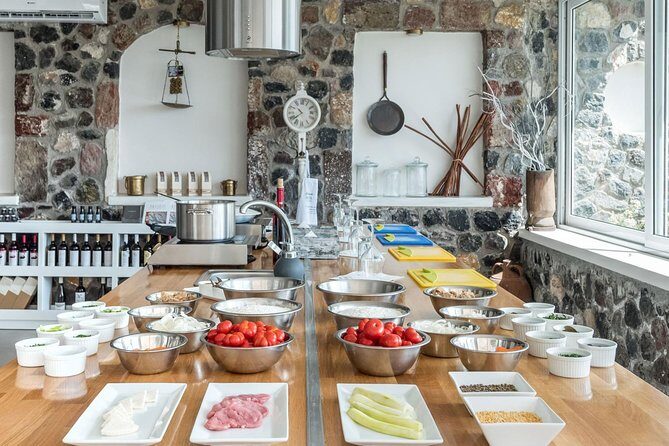
Santorini cooking can feel like “everyone makes the same Greek things.” This experience flips that. You begin with a brief tour of the on-site gardens where the ingredients for your menu are growing. It’s a simple start, but it changes how you cook: you see tomatoes, herbs, and other produce before you handle it.
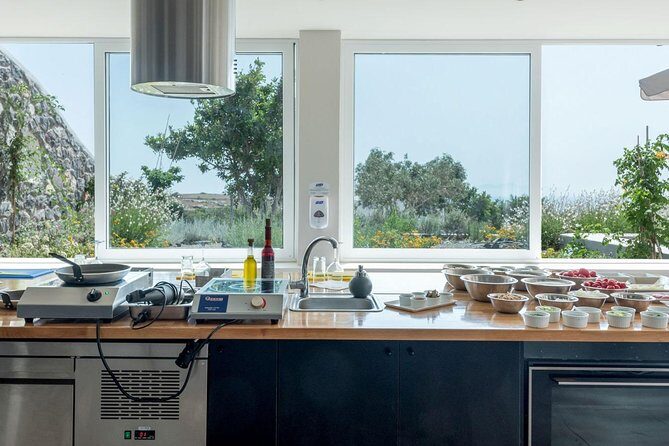
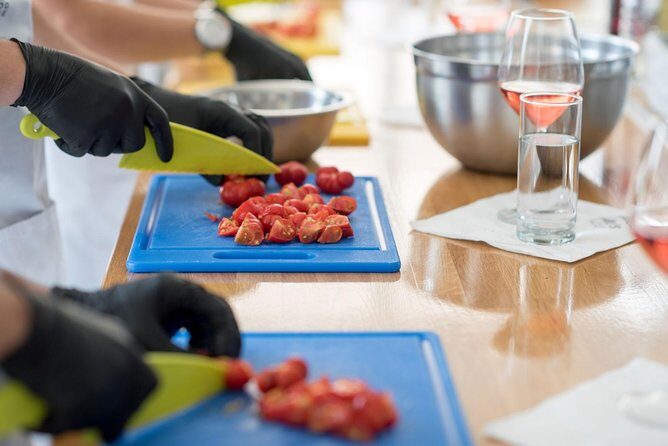
Then you head to a modern cooking studio. That matters because the pacing is clear. You’re not stuck standing around watching someone else work. You’ll be at the station doing the prep and learning the technique as you go.
If you’re the type who likes to understand why food tastes the way it does, you’ll appreciate the way your host explains local practices and the role of ingredients on Santorini. It’s the difference between copying a recipe and actually getting the logic behind it.
Chef Christos and the private group advantage
This is a private tour/activity, so it’s just your group. That small detail can make a big difference in how much attention you get. With only your group in the class, it’s easier to ask questions about knife work, timing, seasoning, or substitutions when you’re not sure.
Chef Christos is the named host, and he’s presented as both an expert and someone who enjoys meeting people. On days he’s not available, the experience runs with another equally passionate culinary chef. Same idea, new face.
A nice bonus from the experience details: they can accommodate dietary requests like vegetarian, vegan, lactose-free, and gluten-free if you tell them in advance. That’s not a vague promise; it’s specifically noted as part of how they operate.
What you’ll cook: a real Santorini menu (plus a vegetarian swap)
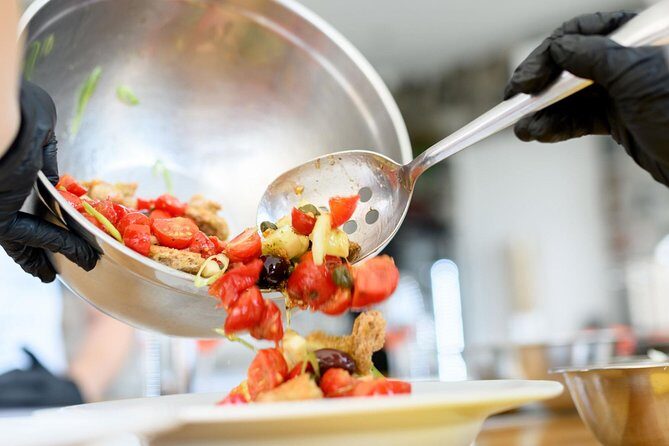
The menu is built around traditional Santorinian favorites. Depending on the exact course flow, you can expect three specialties such as:
- goat cheese salad
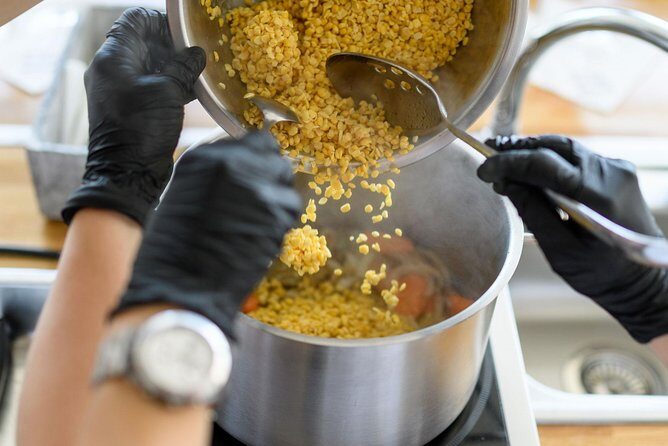
- split pea dip
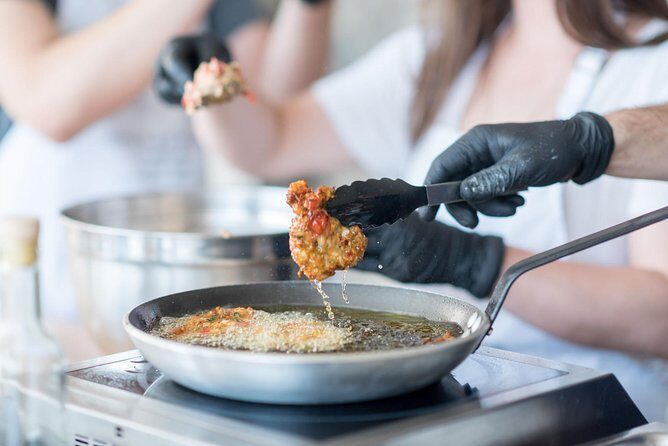
- tomato fritters
- pork in a sweet wine sauce (often described using Vinsanto)
- typical desserts
You might also cook dishes like fava and tomato fritters, then finish with dessert. If you’re vegetarian, the alternative is a local pasta made with homemade tomato paste and garlic, instead of the meat-focused dish.
What I like about this approach is that you get variety. You’re not locked into one “type” of cooking (like only dips or only mains). You’re practicing multiple textures: something creamy or spreadable (split pea dip), something crispy or fried (tomato fritters), and a main that uses Santorini’s sweet wine style.
And yes, there are sweet notes at the end. You’re not ending the meal feeling like you ate only savory food for three hours. Dessert is part of the plan.
The pacing: 3.5 hours total, with about 1.5 cooking
Plan on roughly 3 hours 30 minutes total. The cooking portion is about 1.5 hours, and then you sit down for the meal you made.
That structure is practical. If you’ve ever been stuck on tours where the “main event” is mostly waiting, this avoids that. You’ll work, you’ll eat, and the meal follows soon enough that the flavors feel fresh instead of cooled-off and rushed.
The meal itself is enjoyed in a restaurant setting—either indoors or outdoors depending on the weather. Since Santorini weather can swing quickly, it’s good that the plan adapts rather than forcing everyone into one setup.
One more practical note: come hungry. The food is meant to be a feast, not a snack, and the portions are described as plentiful in the overall experience feedback you’ll likely care about.
Pairing your food with Artemis Karamolegos volcanic wines
Wine isn’t an afterthought here. It’s built in. You’ll accompany your meal with wines from the Artemis Karamolegos Winery, and the experience is specifically described as using volcanic wines.
That pairing helps you eat like someone from Santorini, not like someone trying to recreate a Greek restaurant meal from memory. Sweet wine styles show up in Santorini cuisine, and the pork course uses that vibe (often described as Vinsanto-style).
If you don’t drink wine, it’s still worth noting that the tour data says alcoholic beverages are included. That’s great for people who want the full experience, but it’s a consideration for anyone trying to keep alcohol to zero.
The real value: you learn technique, not just ingredients
Here’s where this class earns its price beyond the menu list. You’re not only tasting Santorini flavors—you’re learning the steps that make them happen.
You’ll get a guided, hands-on experience, with your host explaining what you’re doing and why. That includes cultural context around the ingredients used. For food-focused travelers, those short explanations can turn the class into a story you carry home.
Another value piece: recipes to take home. That’s what makes this more useful than a “great meal” memory. You can reproduce at least part of what you made, even if you can’t get Santorini tomatoes at your local market.
For shopping-minded travelers, this also helps you spot what to look for when you’re back in your kitchen: the ingredients, the sauce styles, and the balance between sweet, savory, and acidity that’s common in Santorini cooking.
Price and logistics: what $309 buys you
At $309 per person, this isn’t a budget activity. But it’s not priced like a cooking demo either.
You’re paying for:
- a private class led by Chef Christos (or an equally passionate substitute)
- a structured 3-course-style cooking outcome, plus dessert
- local wine included during the meal
- the garden-to-studio flow with ingredient focus
- gratuities included
Then there’s the practical side: no hotel pickup. That means the “true cost” isn’t just the ticket price—it’s also your transportation time and effort to the meeting point.
You’ll start at Aroma Avlis Exo Gonia 847 00, Greece, and the activity ends back at the meeting point. If you’re already staying nearby or you’re comfortable using local transit/taxis, you’ll feel this cost less. If you’re far from Exo Gonia, plan a little extra travel time.
Also, the experience is typically booked about 89 days in advance on average, which is a good sign it’s popular. If you’re traveling in peak season, earlier booking helps.
Who should book this Santorini cooking class
This is a great fit if you:
- want a hands-on cooking experience, not a passive tour
- care about Santorini-specific dishes like fava, split pea dip, tomato fritters, and Vinsanto-style pork
- enjoy cooking with a local chef who explains the why behind ingredients
- want a private setup for a more relaxed pace
- have dietary needs and can message them in advance
It’s also a strong choice for milestone trips. The experience setup supports celebration moments because it’s interactive and shared at your table.
On the other hand, it may not be ideal if:
- you strongly prefer cooking with no wine involved (wine is included)
- you don’t want to handle transportation to the meeting point (no hotel pickup)
- you’re only looking for a quick snack and not a full meal
How to make the most of your class
A few simple moves will improve your experience.
First, tell them about any dietary needs before you go. Vegetarian, vegan, lactose-free, and gluten-free requests are supported, but you need to inform them in advance.
Second, come with curiosity. Ask questions while you cook—about seasoning, timing, and ingredient swaps. That’s when the class stops being just “watch and copy” and turns into real learning.
Third, save room for the whole menu. The class ends with a meal and dessert, and the food is described as plentiful. Eat lightly beforehand or plan to treat this as your main dining event of the day.
Should you book it?
I’d book this Santorini farm-to-table cooking class if you want a grounded, local-food experience with real teaching and a satisfying finish. The combination of garden-fresh ingredients, a private chef-led class, and included Artemis Karamolegos volcanic wines is exactly the kind of trip memory that sticks longer than a single photo.
Skip it if you need hotel pickup, if alcohol is a hard no for your group, or if you only want a short activity. For everyone else, this hits the sweet spot: you cook, you eat, and you leave with a way to recreate the flavor at home.
If you’re deciding late, keep an eye on availability. The average booking lead time is around 89 days, and confirmation is provided after booking subject to availability. The good news is that free cancellation up to 24 hours before the start time is offered, so you can book with less stress.
FAQ
How long is the Santorini cooking class?
The total experience is about 3 hours 30 minutes. The cooking portion is about 1.5 hours, followed by the meal you helped prepare.
Is this a private cooking class?
Yes. It’s a private tour/activity, and only your group participates.
What dishes will I make?
You’ll make three traditional Santorini specialties. Options mentioned include goat cheese salad, split pea dip, tomato fritters, fava, and pork in a sweet wine sauce (Vinsanto). Desserts are also part of the experience. Vegetarian guests may prepare local pasta with homemade tomato paste and garlic.
Are alcoholic beverages included?
Yes. Local wine is included, paired with your meal. The wine is from Artemis Karamolegos Winery.
Can you handle dietary restrictions?
Yes. Your host can accommodate vegetarian, vegan, lactose-free, and gluten-free requests if you inform them in advance.
Where does the class meet?
The meeting point is Aroma Avlis Exo Gonia 847 00, Greece. The experience ends back at the meeting point.
Is hotel pickup included?
No. Hotel pickup and drop-off are not included.
]]>One thing to keep in mind: this is not a slow, linger-in-Oia day. You’ll see plenty, but the schedule is tight, so if you’re dreaming of hours on one street for sunset-level wandering, you may feel time pressure.
Key reasons this tour works so well
- Oia village with a guided path, so you’re not just drifting through photo stops
- Kissiras Santorini Microgreens for hands-on farm context and a real taste of local ingredients
- A set farm menu built around classic Santorini flavors like fava, tomatoes, and goat cheese
- Five Santorini wines with a winery visit that explains the winemaking side
- Mercedes-Benz Vito Tourer transfers to reduce hassle on a busy island
- A tight group size that keeps the day feeling personal instead of crowded
Oia’s main street, guided and efficient
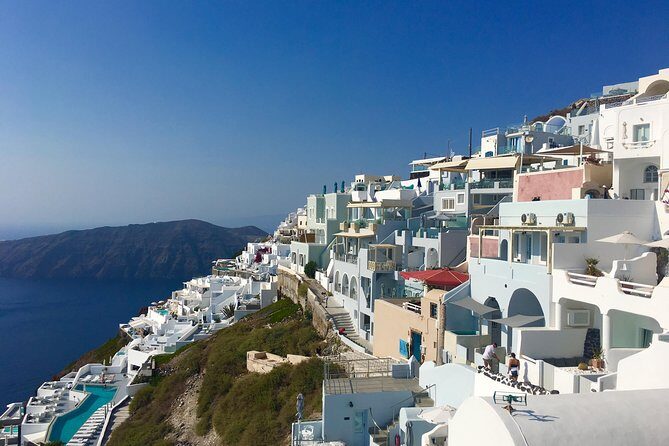
Your day starts in Fira (meeting point: Fira 847 00, Greece), then you head toward Oia for a focused walk through the village’s best-known scenery. Oia is the Santorini “postcard,” but what’s useful here is that you get structure. Your guide brings you along Oia’s main street with its famous cobblestone path, and you’re pointed toward the kind of views people chase at sunset—without requiring you to spend the whole day parked somewhere waiting for the sky to cooperate.
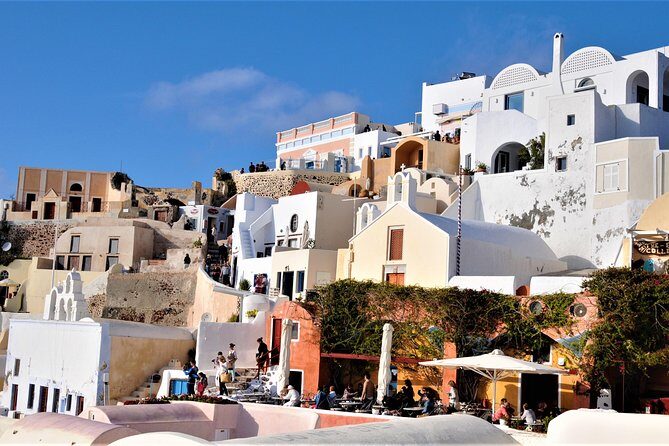
Oia sits on a steep incline, and that changes how you experience it. You don’t just see whitewashed houses and blue-domed churches; you also get the sense of how the village drops down toward the water. For many visitors, that top-to-bottom geometry is what makes the photos look like they do. A guided route helps you pick angles fast, rather than wandering until you finally realize you’re heading away from the best overlooks.
Tip for planning your departure time: this tour is designed around multiple stops, so choose your start time based on what you want most from Oia: earlier for relaxed sightseeing, later for more dramatic light. The listing mentions a huge choice of departure times, and that matters because Oia changes quickly throughout the day.
Possible snag: because this is a 5-hour private format, your Oia time is limited. You’ll enjoy the highlights, but you won’t have the “wander for hours and still have more” feeling. Think of it as: guided sightseeing now, deeper Oia roaming later on your own.
Kissiras microgreens farm and a real Santorini meal
The best kind of food experience is the one that gives you context. That’s what the stop at Kissiras Santorini Microgreens is built for. This isn’t just a tasting room or a quick “look at the garden” stop. You begin with a tour of the house and growing areas where microgreens, edible flowers, and a seasonal grocery garden are produced. You’ll also see the chicken-quail coop, and that matters because it ties the ingredients together—eggs from their own coop showing up in the day’s cooking.
Then comes the part you’ll actually remember: the set meal. The menu is laid out with a mix of Santorini classics and farm-forward dishes, including:
- Santorinian salad with goat cheese
- Fava beans with spring onion and capers
- Tomato fritters with basil
- Omelet with bio eggs, fennel, onion and gruyere cheese
- Marinated anchovies with garlic
- Mixed greens homemade pie
Even if you’re not a big foodie, this menu is practical. It gives you a range—salad, legumes, tomatoes, eggs, seafood, and greens—so you’re not stuck with one style of flavor all at once. And you’re getting the taste in the setting where it’s produced, which makes the flavors feel less random. You’ll also likely appreciate the microgreens angle more after seeing the operation behind it.
A small but smart detail: the stop notes that they taste what they produce in collaboration with local producers of Santorini and the Cycladic islands. Translation: the meal isn’t only “our products.” It’s a broader local approach, which tends to produce better variety and more authentic flavors.
One consideration: farm stops can have a different pace than city wandering. If you’re the type who wants nonstop movement, plan for a slower stretch here—this is the “eat and learn” block of your day.
Winery education and tasting at Karamolegos

After the farm meal, the day transitions into wine, and it does so with a learning-first approach. At Artemis Karamolegos Winery you get a structured winery visit, designed around both winemaking basics and the chance to taste the wines.
You’re told you’ll enjoy five Santorini wines, and that’s a big deal for value. A lot of wine tours give you a couple pours and call it a day. Five means you’re more likely to find a style you actually like—dry, aromatic, structured, crisp—rather than just leaving with one vague “they were all nice” memory.
This is also where having a private, small-group format helps. When the group is capped at eight travelers, questions land more easily. If you want to know why a certain wine tastes the way it does, you’re more likely to get an answer than you would in a larger bus tour.
One more practical angle: wineries can be quiet, and your energy matters. You’ve already eaten, so pace yourself during the tasting. If you’re planning to walk around afterward on your own, drink conservatively and consider how much you really want to sip versus sample.
The Mercedes-Benz Vito Tourer and why pickup matters

Getting around Santorini efficiently is half the battle. This tour includes round-trip hotel transfers and uses a new Mercedes-Benz Vito Tourer. That may sound like a luxury detail, but here’s why it matters: Oia and the farm/winery area aren’t just “nearby.” Santorini’s roads, elevation changes, and visitor traffic can make a “simple day” become a time-sink fast.
With pickup and a set plan, you avoid the common stress points:
- hunting for meeting spots in crowded places
- coordinating your own transport between Oia and non-Oia stops
- losing daylight to timing issues
Also, this tour is offered in English, and the experience is private, meaning only your group participates. That’s a big quality-of-day factor. Small-group personal attention plus planned driving time adds up to a day that feels smoother than doing the same stops independently.
From the reviews, I was glad to see how much attention the host-focused guiding seems to bring. One review specifically calls out a guide named Fani, describing her as both knowledgeable and warm, plus funny in a way that made the day more enjoyable. Another review mentions a thoughtful birthday touch—dessert brought out with candles for both birthday celebrants. That’s the kind of human detail you feel in a private tour setup.
How much does it cost, and is it good value?

The price is $191.72 per person for about 5 hours. At first glance, it’s not a budget tour. But value here comes from the combo: you’re paying for transportation, guiding, a farm meal, and a winery tasting experience.
Let’s break down what you’re getting:
- Oia guided time (more than just wandering)
- A farm visit with a tour plus a set meal featuring multiple dishes
- Winery stop with tasting of five Santorini wines
- Round-trip pickup in a Mercedes-Benz Vito Tourer
- Small-group format (capped at eight), which is usually where the quality jump happens
If you tried to replicate this on your own, you’d likely spend time and money piecing things together—especially the winery tasting portion and the farm experience with its specific menu. Here, the schedule is tightened so you don’t need to manage the logistics between stops.
Another value cue: the tour is described as having huge choice of departure times and is commonly booked about 66 days in advance on average. That doesn’t guarantee quality, but it does suggest demand for this exact “Oia + food + wine” format.
What the 5 hours feels like in real life

A five-hour private tour can be either rushed or focused. This one reads as focused because it has three clear anchors: Oia, farm, winery. Each stop has its own job, and they’re spaced to keep the day cohesive.
Here’s the experience flow you can expect:
- Start in Fira, then transfer to Oia for a guided look at the village’s most scenic parts.
- Head to the microgreens farm, where you see production areas and then enjoy a set menu meal built around local ingredients.
- Finish with a winery visit that explains winemaking basics and lets you taste five Santorini wines.
- Return back to the meeting point.
That last part matters more than most people think. With a proper return transfer, you’re not stuck trying to get a ride back at the end of the day when roads are busy and your energy is lower.
Who should book this Santorini private Oia + farm + wine tour
This tour is a great fit if you want a day that hits multiple priorities without turning your schedule into a patchwork.
You’ll especially enjoy it if you:
- Want Oia but don’t want to spend all day figuring out where to go
- Like food that’s connected to a real place, not just a restaurant meal
- Want wine tasting that includes multiple pours, not just a quick sampler
- Prefer a smaller group vibe (capped at eight) over a large tour bus crowd
- Appreciate a guide-host who can keep things lively—reviews point to warmth and humor from Fani
You might think twice if you:
- Want long, slow free time in Oia for wandering and shopping
- Are extremely sensitive to a tight schedule (because five hours is five hours)
Should you book? My practical take

Book it if your ideal Santorini day is: see Oia highlights, eat a farm-forward meal, then taste wine with context, all with pickup and a small-group feel. The structure is strong, and the inclusions are meaningful: farm meal + five-wine tasting + transfers is not just “a couple stops,” it’s a full experience package.
Skip it (or adjust expectations) if your heart is set on spending hours in Oia for sunset-level roaming. This tour gives you Oia’s best parts, but it’s designed to move.
If you do book, pick your departure time based on what you care about most in Oia, and plan to enjoy the farm and winery at a comfortable pace. That’s when the day clicks.
FAQ
How long is the Santorini private Oia tour with farm meal and wine tasting?
The tour lasts about 5 hours.
How much does it cost per person?
The price is $191.72 per person.
Where does the tour start and end?
The meeting point is Fira 847 00, Greece, and the activity ends back at the same meeting point.
Is pickup included?
Yes. The tour offers round-trip hotel transfers.
Is this tour private?
Yes. It’s a private tour/activity, meaning only your group participates.
What food and drink are included?
At the microgreens farm you’ll have a set meal (with items such as Santorinian salad with goat cheese, fava, tomato fritters, and more). At the winery, you’ll enjoy wine tasting with five Santorini wines.
What’s the cancellation policy?
You can cancel for a full refund up to 24 hours before the experience starts. The experience may also be changed or refunded if weather is poor.
]]>You also get a real village walk in Megalochori, including the famous kadounia stone pathways. With a maximum of 12 travelers, it feels more like a family afternoon than a bus stop. If you hate minivan rides between spots, this tour has a few transfers, but they keep the flow moving.
Key Points You’ll Actually Care About
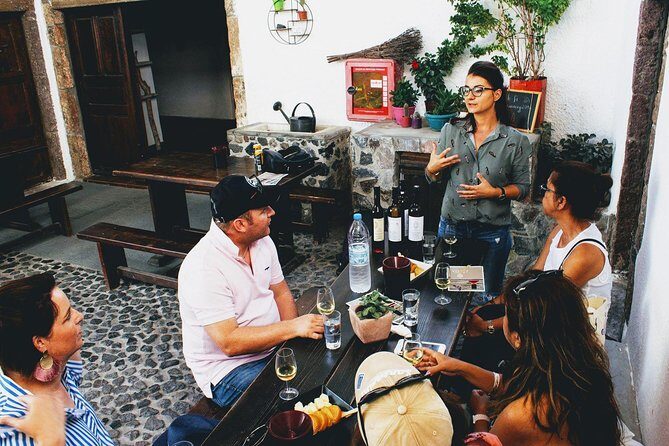
- Fresh garden-first cooking in a traditional cave farm setup
- Four wine samples from Santorini varietals at two winery stops
- Megalochori kadounia: narrow stone pathways through a maze-like village area
- Small group size (max 12) for hands-on cooking and easier conversation
- Tomato-forward menu, from domatokeftedes to cherry-tomato marmalade
Santorini Farm-to-Table in 4.5 Hours: The Big Picture
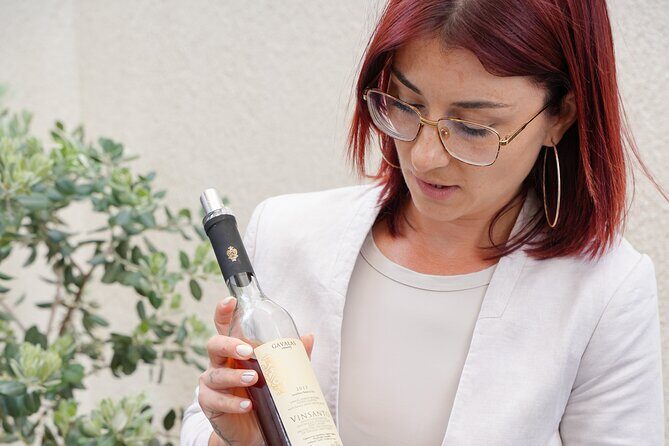
This tour is built for people who feel tired of Santorini where the whole day is views and lines. Here, you’re working with food first: picking up ingredients from the farm garden, cooking them in a shared class, and eating what you made. Then the day moves into wine, with tastings that connect Santorini’s volcanic soil to the island grapes.
You’re also getting something practical: context. The guide explains how the farming and wine traditions fit into everyday island life. That turns a plate of fava or a sip of white wine into something you can actually picture, not just something you eat.
The format is a tight loop: village walk, winery tastings, farm cooking, meal. It’s fast enough to fit into a busy trip, but long enough that you don’t feel like you got skimmed.
From Megalochori’s Kadounia to the Village Vibe
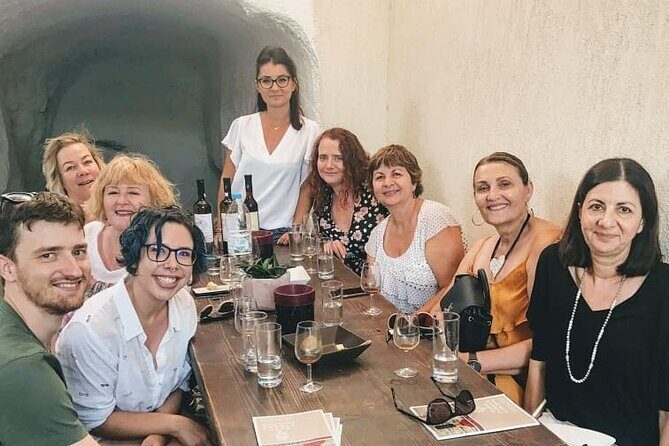
The day starts with Megalochori, a village that feels calmer than the postcard centers. The highlight is a guided walk through the kadounia, those narrow stone pathways that form a maze you can actually get lost in on purpose. It’s one of those small-scale sights that makes Santorini feel human-sized.
This stop matters because it shifts you from cliffs and caldera photos into the everyday geography of the island. You’ll notice how the streets follow the terrain, and how village life is arranged around stone lanes and hidden corners.
A small caution: stone pathways are charming, but they’re also uneven. Even though there’s no formal instruction here beyond dressing appropriately, I’d still plan on closed shoes and something grippy. Think walking comfort over fashion.
Winery Stops and Four Glasses: What You Taste and Why
After Megalochori, you head to the winery side of Santorini. The tour includes tastings at two different wineries, and you’ll sample four glasses total. That’s a smart amount. You get variety without turning the afternoon into a wine marathon.
The tasting isn’t just pour-and-go. You’re taught about Santorini’s volcanic terroir and indigenous grape varieties, so each glass connects to a reason. In plain terms: you’re tasting place, not just flavor.
What I like about this setup is balance. Some wine tours focus only on vineyards and skip food and farming. This one ties wine back to the island’s agricultural rhythms—especially helpful if you’re trying to understand why Santorini wine tastes the way it does.
The Cave Farm Cooking Class: Hands-On, Garden-First
The center of the day is the cooking class at a traditional cave farm. This is where the tour earns its name. You’re not just watching a chef plate things. You’re participating, learning local techniques, and using fresh, seasonal vegetables grown directly in the garden.
Expect a real farm feeling: a rustic setting, an outdoor meal space, and time to talk about Santorinian traditions and daily life. Several people described feeling welcomed and treated like part of the group, with the host taking plenty of time to explain both ingredients and routines.
One useful detail from past experiences: you may get the chance to pick tomatoes from the field or at least see how the ingredients are gathered before cooking. That turns the meal from performance into process.
If you’re traveling with kids, this stop can work well. The class format is interactive, and people noted the guide connecting with children while still keeping the cooking moving.
Cooking What You Eat: The Full Menu on a Santorini Farm Table
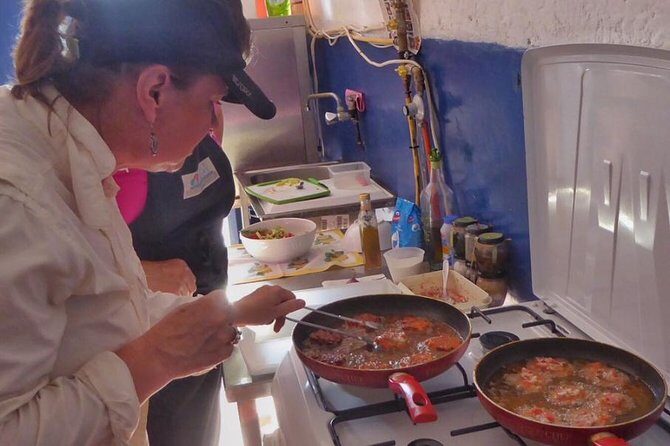
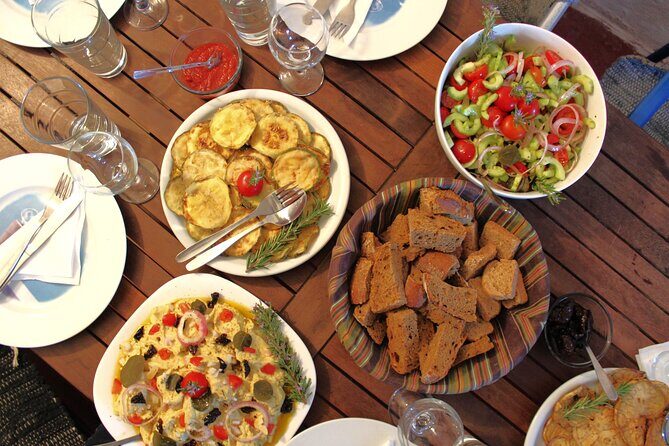
The meal plan is traditional, and it’s built around what the farm grows. Here’s what you’ll cook and eat, in the order you’ll taste it.
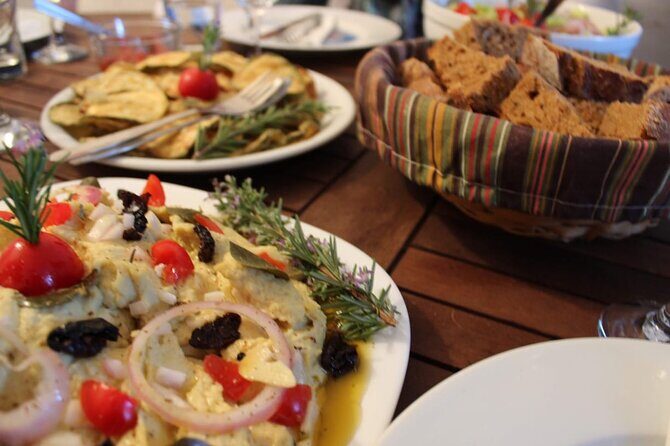
Tomato Fritters (Domatokeftedes)
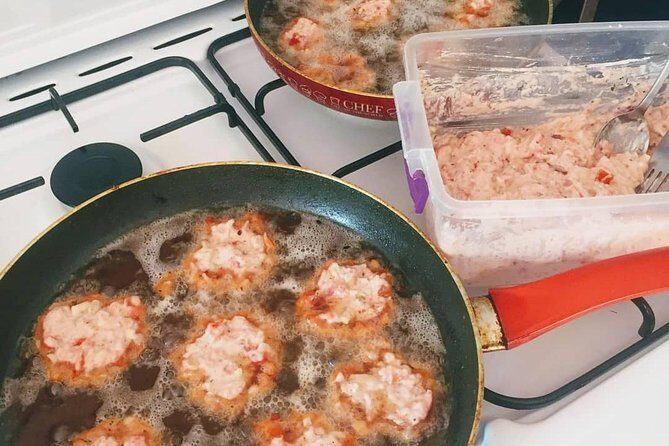
These start the meal. Domatokeftedes are Santorini tomato balls, made with fresh ingredients gathered from the garden. Even if you think tomatoes aren’t your thing, this is one of those moments where cooking changes the flavor and texture. The point isn’t fancy technique—it’s how island cooks make use of what’s abundant.
Greek Salad with Farm Ingredients
You’ll build a Greek salad using cherry tomatoes, cucumbers, onions, feta, handpicked capers, extra virgin olive oil, and local olives. It’s a classic, but the farm sourcing is what makes it feel different. This is the course that reminds you why simple food wins.
Fava: Santorini’s Yellow Split Pea Purée
Then comes fava, Santorini yellow split pea purée, similar in texture to hummus. The recipe leans on what’s grown locally, so the flavor is tied to the fields. If you’ve never had it, it’s creamy and savory, and it’s a great example of how island agriculture shapes cuisine.
Fried White Eggplant & Zucchini
You’ll finish the main courses with lightly fried, sliced seasonal vegetables prepared the traditional way. This is where the farm-to-kitchen connection becomes very real. The vegetables aren’t just an add-on—they’re the meal.
Dessert: Greek Yogurt with Homemade Cherry Tomato Marmalade
The dessert is a twist that still feels logical: Greek yogurt topped with homemade marmalade made from cherry tomatoes of Santorini. It’s sweet with a little tang, and it’s a fun way to end an eating-focused tour.
The Tomato Factor
Here’s the most important practical note: this menu is tomato-heavy. You’ve got tomato fritters, tomato salad components, and tomato-based marmalade. If tomatoes are a trigger for you, plan around it before booking. You might want to ask the tour provider what flexibility exists for substitutions, especially if allergies are involved.
Group Size, Pickup, and Transfers: How the Day Feels
This tour runs with a maximum of 12 travelers, which is why the cooking doesn’t feel chaotic. Smaller groups mean you can actually take part, ask questions, and not spend the whole time waiting for your turn.
You also get hotel pickup and drop-off for selected hotels. If your hotel isn’t on the pickup list, you’re asked to message to set the pickup time and place. If you don’t contact them, they’re not responsible for misunderstandings, so keep an eye on that.
Transportation is via an air-conditioned minivan. Transfers take approximate time, depending on day and traffic. That’s normal on Santorini. Just know the day is designed to move between village, wineries, and farm—so it’s not a stay-put experience.
For navigation, your start point is Stathmos Leoforion in Fira, and the tour ends back at that meeting point.
Price and Value: Is $145.12 a Fair Deal?
At $145.12 per person, you’re paying for three things that usually cost separate money on Santorini:
- Hands-on cooking class (not just tasting)
- Wine tastings totaling four glasses at wineries
- A guided cultural farm and village experience with transport
Add in bottled water, fuel surcharge, and taxes, and the value picture gets clearer. You’re basically combining a food workshop with a wine experience and a village walk, all in one package.
The big value win is the “you eat what you make” part. Many food tours promise local flavor, but you leave without really learning the steps. Here, the cooking is part of the product, and the setting is the point—not just the menu.
The other value win: the group size. A tour under 12 tends to feel more personal, and your guide can actually spend time on questions instead of rushing through a checklist.
Who This Tour Suits Best (and Who Might Be Happier Elsewhere)
This works especially well if you want Santorini through food and agriculture, not only through viewpoints. It’s a strong pick for foodies, wine lovers who appreciate learning context, and travelers who like smaller groups.
You’ll likely enjoy it more if:
- you like hands-on activities (not just sampling)
- you’re curious about farming and how ingredients connect to wine
- you want an experience that feels more local and less crowded
You might want to skip or think twice if:
- tomatoes are a serious allergy concern (the menu is heavy on tomatoes)
- you hate walking on stone lanes or uneven surfaces
- you prefer purely scenic stops with minimal transfers
Should You Book This Santorini Family Farm Food and Wine Tour?
I’d book it if you’re the type of traveler who gets satisfaction from learning how food is made. The combination of a traditional cave farm cooking class, a Megalochori kadounia walk, and four Santorini wine samples hits a rare sweet spot: practical, delicious, and not locked behind a velvet rope.
If you’re choosing between this and another Santorini sightseeing-heavy option, this one gives you something to take home beyond photos—recipes, flavors, and a sense of how the island feeds itself.
If you’re ready for a tomato-forward menu and comfortable shoes, this is a great use of half a day.
FAQ
How long is the Santorini Family Farm Food and Wine Tour?
It’s approximately 4 hours 30 minutes, though transfer times are approximate and can vary with traffic and the time of day.
What does the tour cost per person?
The price is $145.12 per person.
How many people are on the tour?
The group size has a maximum of 12 travelers.
Does the tour include hotel pickup?
Hotel pickup and drop-off are offered for selected hotels. If your hotel isn’t listed, you’re asked to message to arrange pickup details.
Where is the meeting point?
The start is Stathmos Leoforion, Fira 847 00, Greece, and the tour ends back at the meeting point.
Is wine tasting included, and how many glasses do you get?
Yes. You’ll do a wine tasting with four glasses of locally produced exceptional wines of Santorini.
What dishes are included in the experience?
The sample menu includes tomato fritters (domatokeftedes), Greek salad, fava, fried white eggplant and zucchini, and dessert of Greek yogurt with homemade marmalade.
Is there a lot of tomato in the menu?
Yes. Tomatoes show up in the domatokeftedes, the Greek salad ingredients, and in the cherry tomato marmalade used for dessert.
What if the weather is bad?
The tour operates in all weather conditions, but it requires good weather. If it’s canceled due to poor weather, you’ll be offered a different date or a full refund.
Can children join the tour?
Children must be accompanied by an adult.
]]>